

SFP Transceiver
-
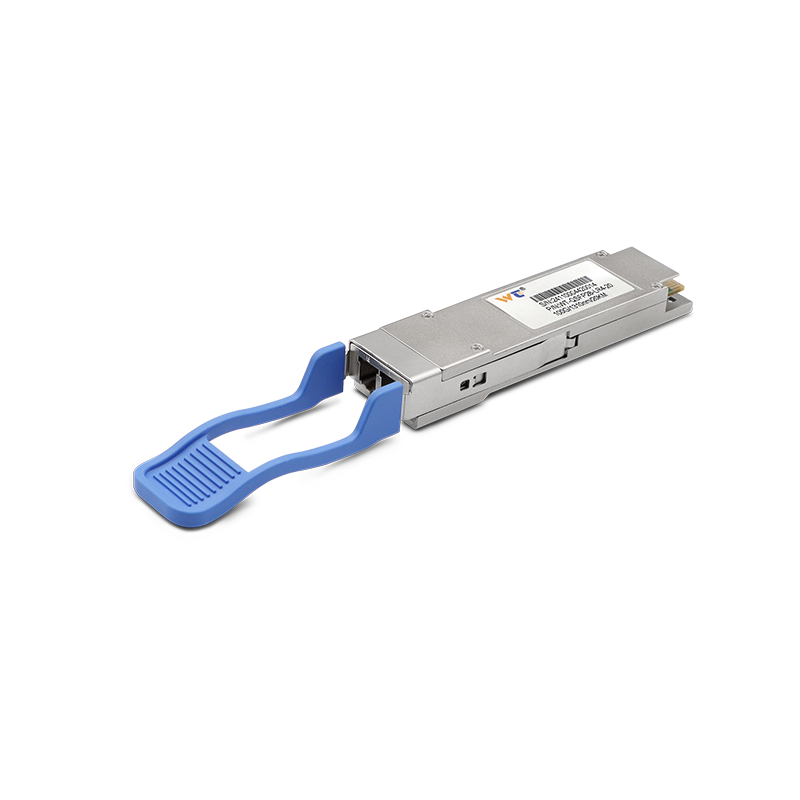 High speed Transceiver
 -
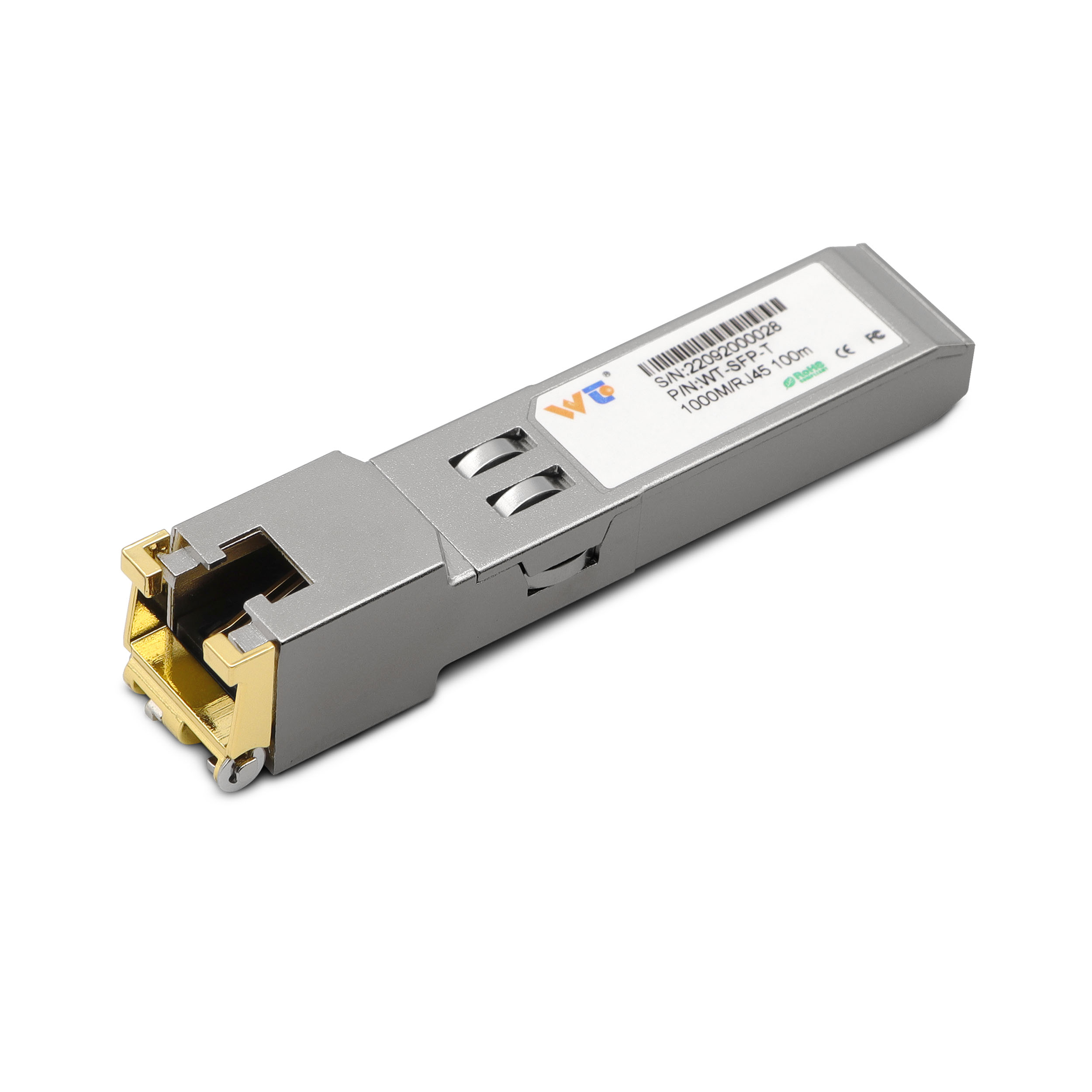 SFP-T Copper RJ45 TransceiverWintop's SFP to RJ45 copper modules enable 1G and 10G connections via standard CAT cables, supporting multi-gigabit speeds and SFP MSA compatibility for commercial deployments.
 -
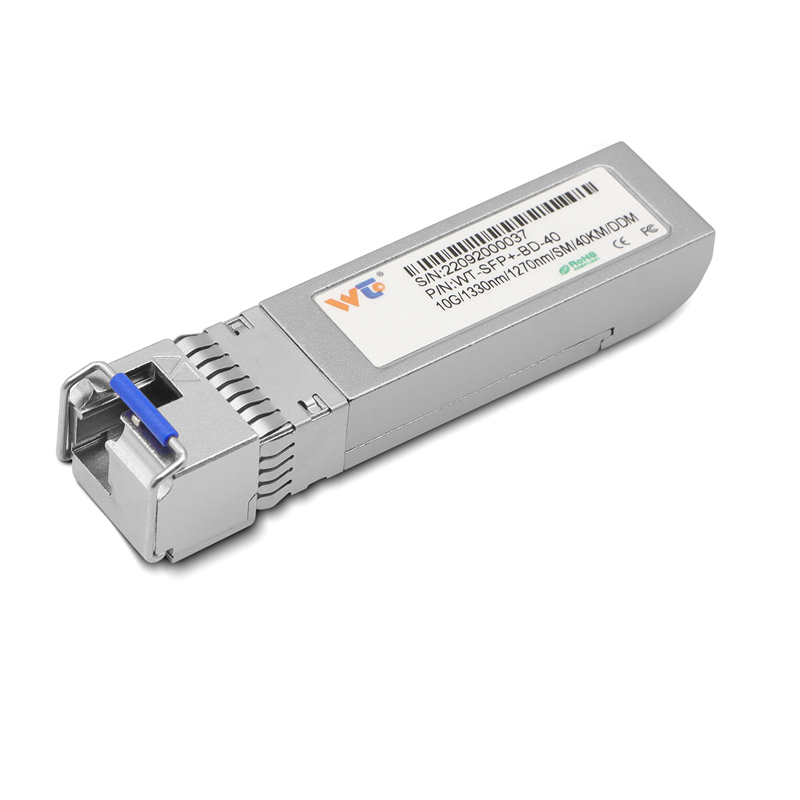
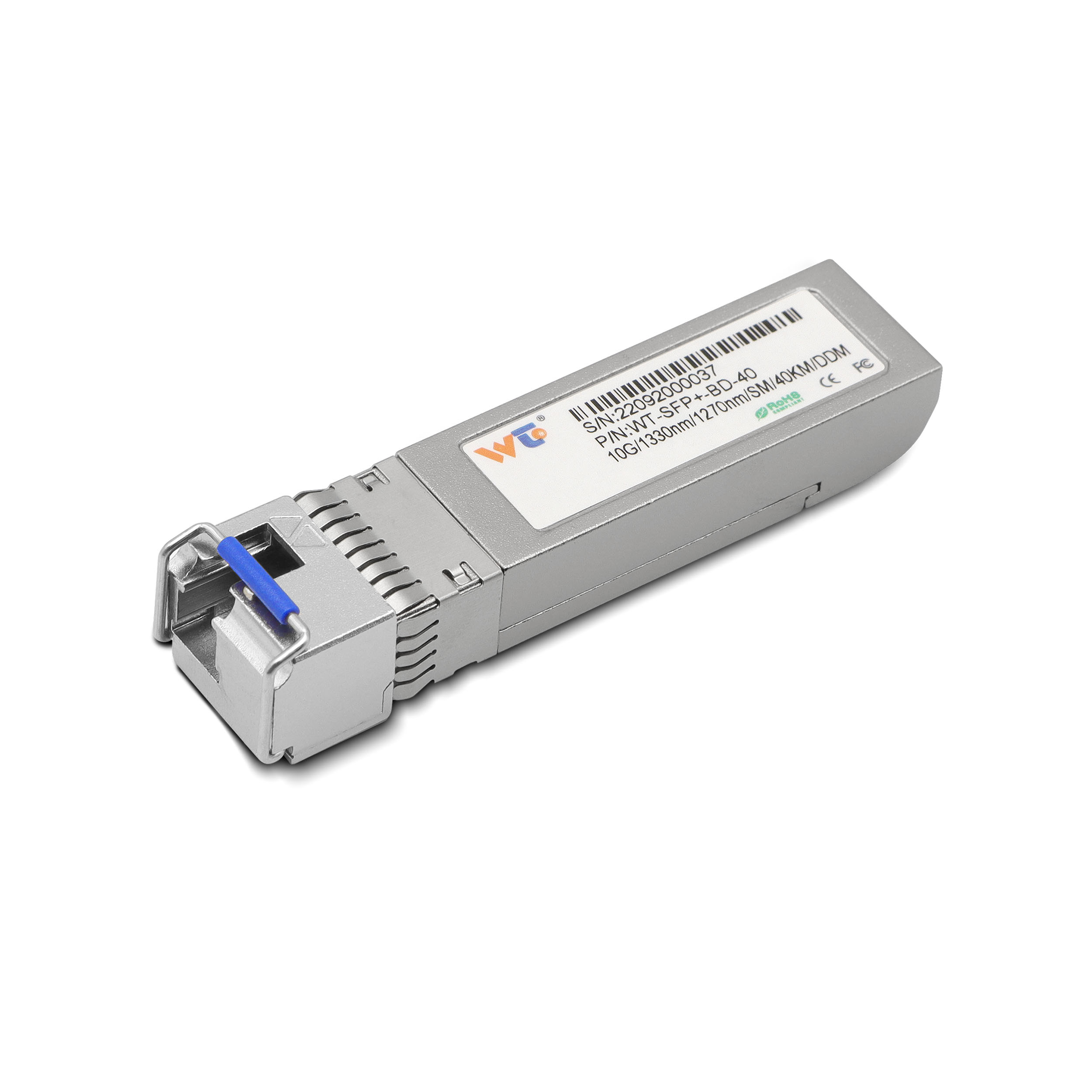 10G TransceiverWintop offers 10G SFP+ transceiver modules with compact, hot-swappable designs, covering SR, LR, ER, ZR, and BiDi options for data center and enterprise networks.
 -
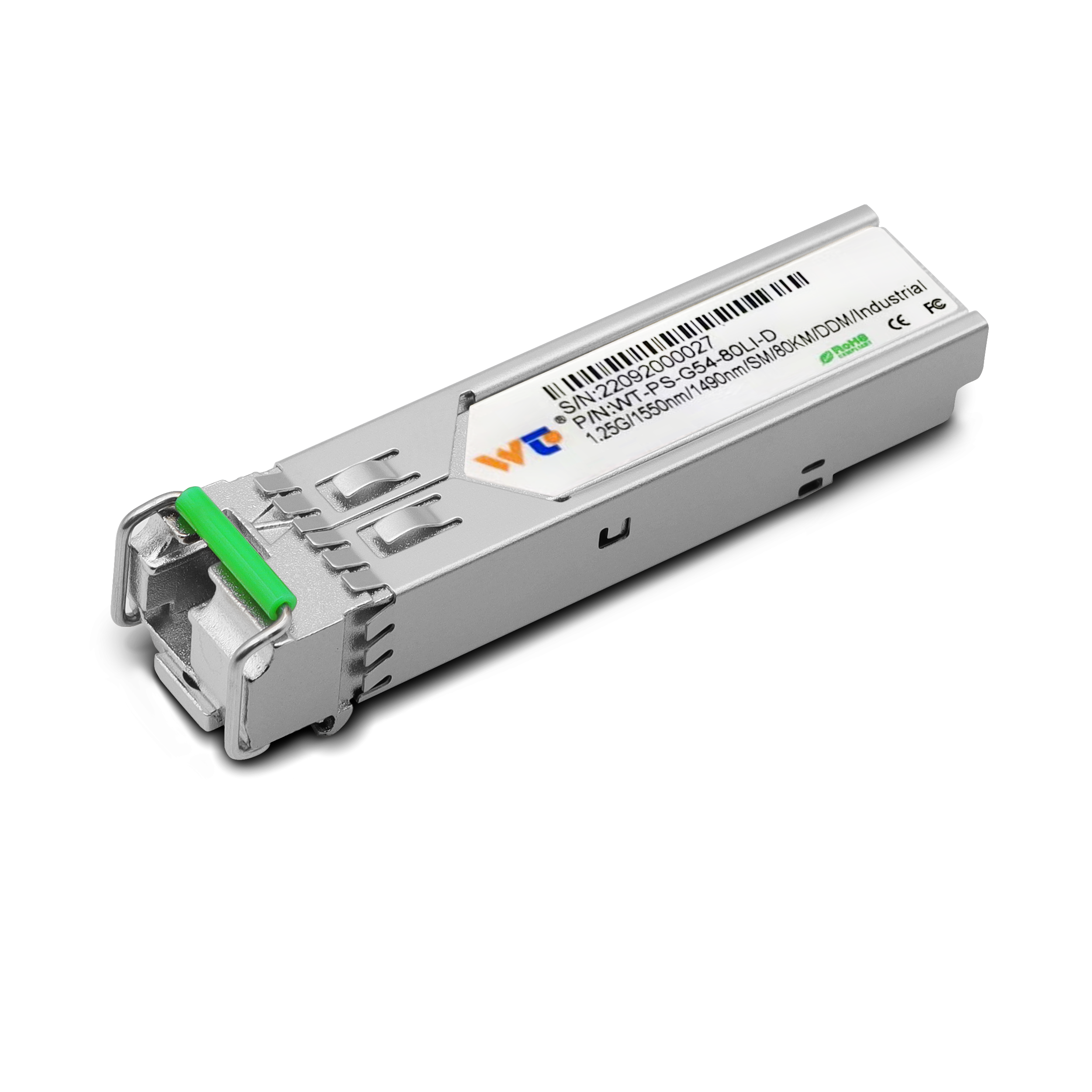 1.25G Transceiver
 -
 155M Transceiver
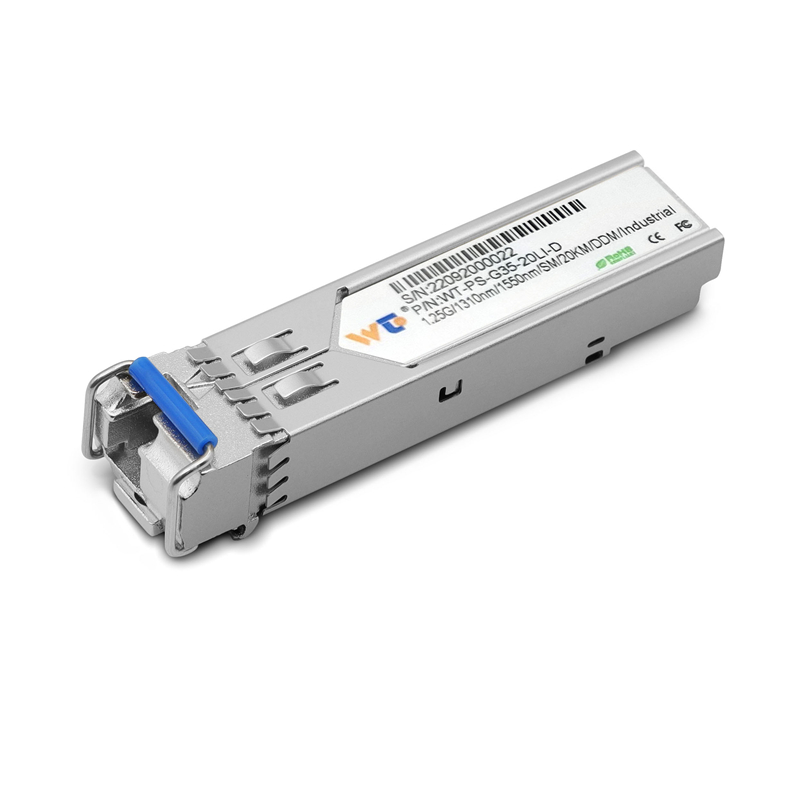
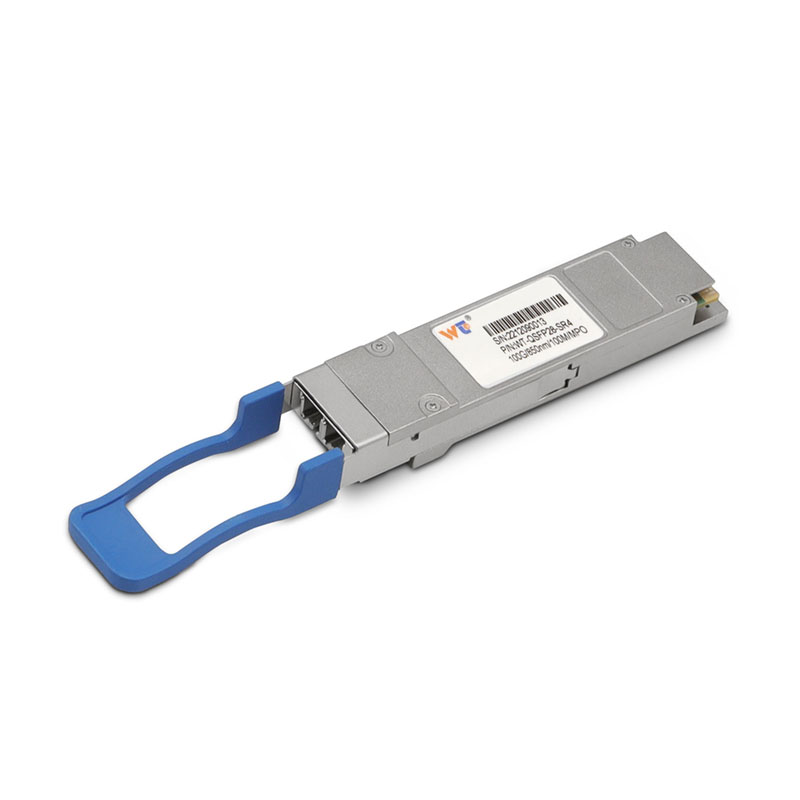
WT SFP Transceiver Module,WT-QSFP28-LR4,100GBase-LR4 QSFP28 Transceiver for SMF, 10 km
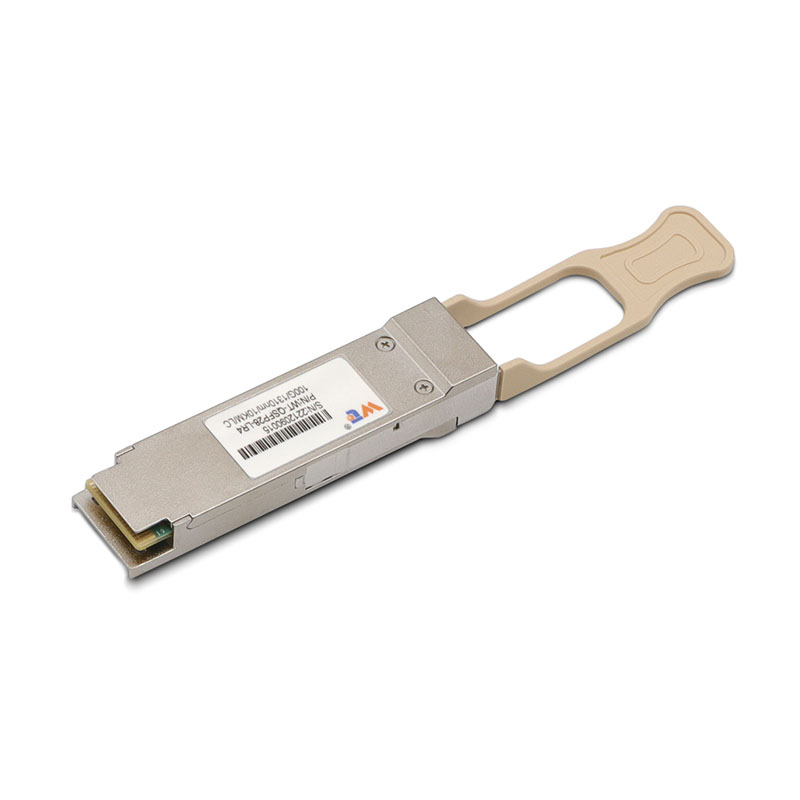
WT SFP Transceiver Module,WT-QSFP28-SR4,100GBase-SR4 QSFP28 Transceiver for MMF, 100 meters (MPO/MTP)
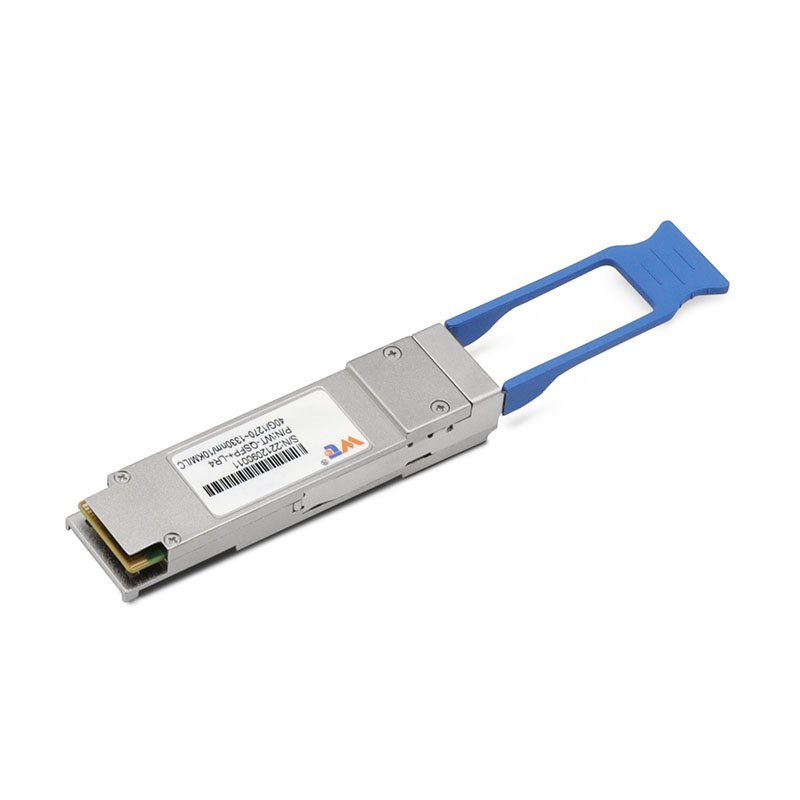
WT SFP Transceiver Module,WT-QSFP+ -LR4,40GBase-LR4, QSFP+ Transceiver for SMF, 10 km
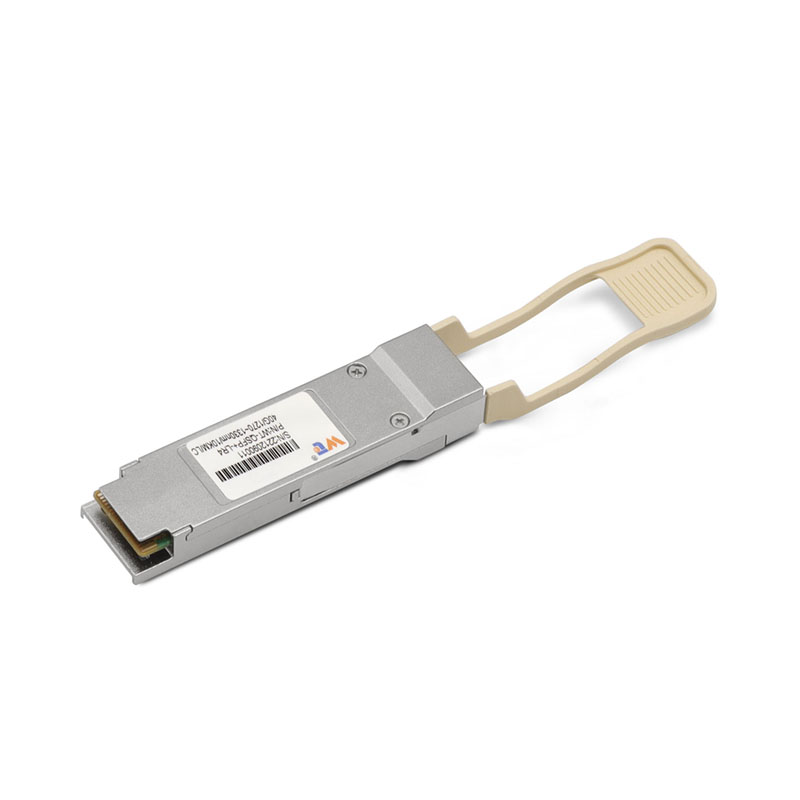
WT SFP Transceiver Module,WT-QSFP+ -SR4,40GBase-SR4 QSFP+ Transceiver, for MMF 100 meters (MPO/MTP)
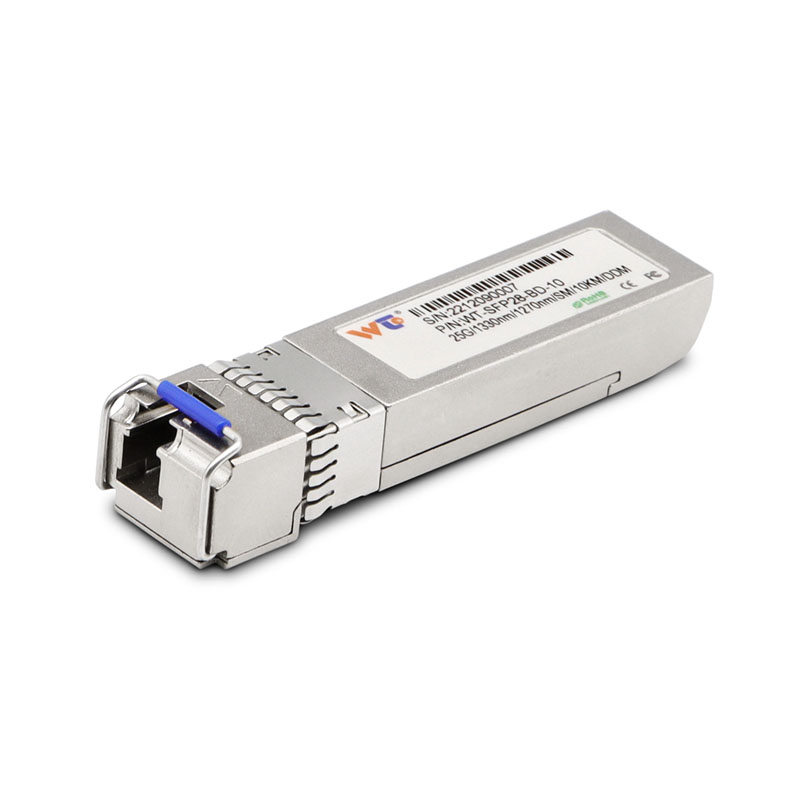
WT SFP Transceiver Module,WT-SFP28-BD-10,25G SFP28 BD Transceivers,Tx1330nm & Rx1270nm, up to 10 km,SMF,Commercial grade
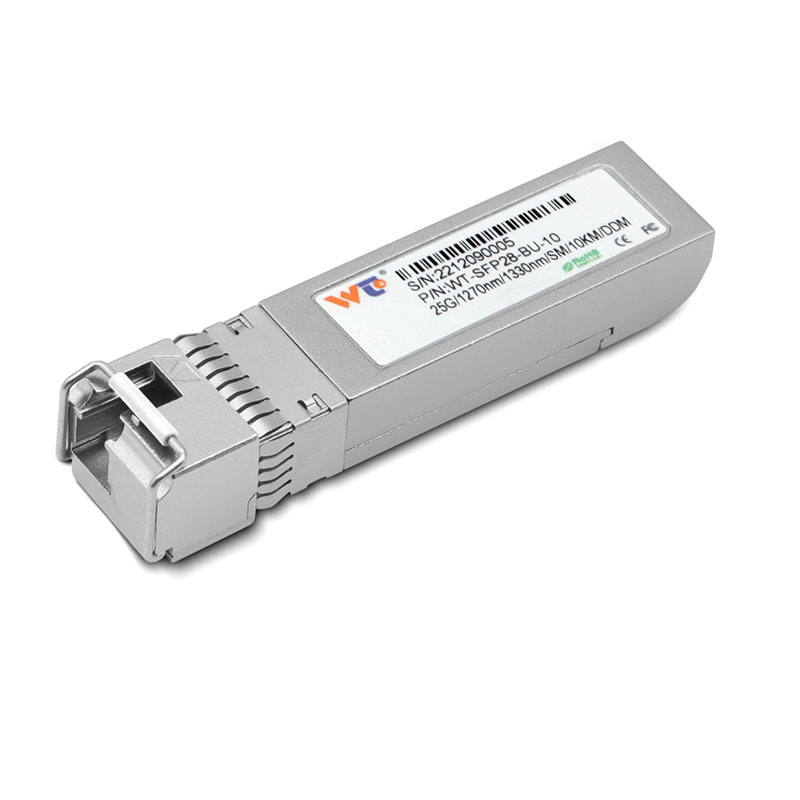
WT SFP Transceiver Module,WT-SFP28-BU-10,25G SFP28 BU Transceivers,Tx1270nm & Rx1330nm, up to 10 km,SMF,Commercial grade
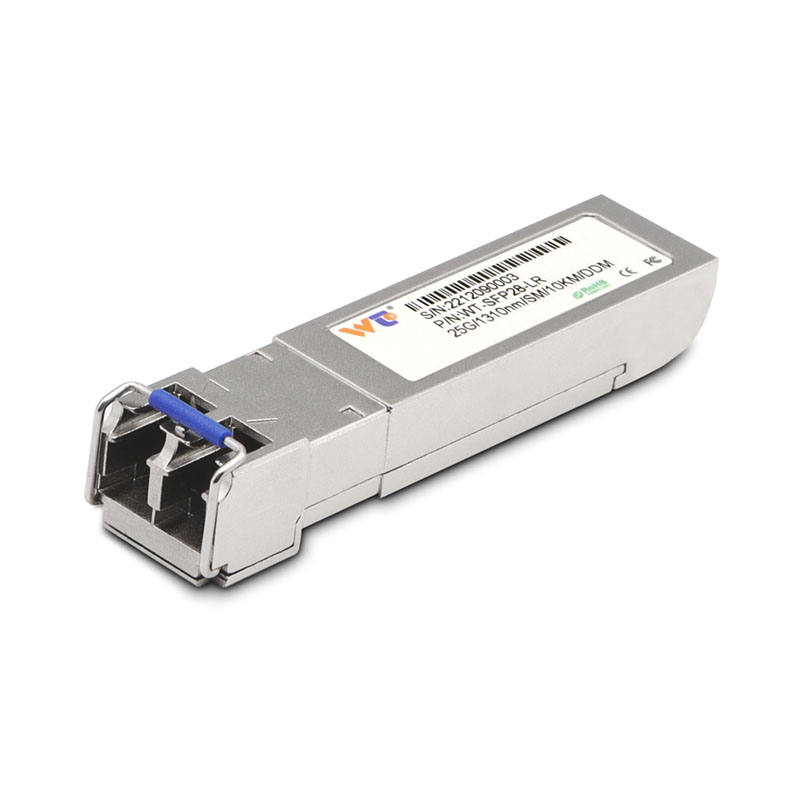
WT SFP Transceiver Module,WT-SFP28-LR,25Gb/s SFP28 LR Transceiver, 1310nm, up to 10 km,Commercial grade
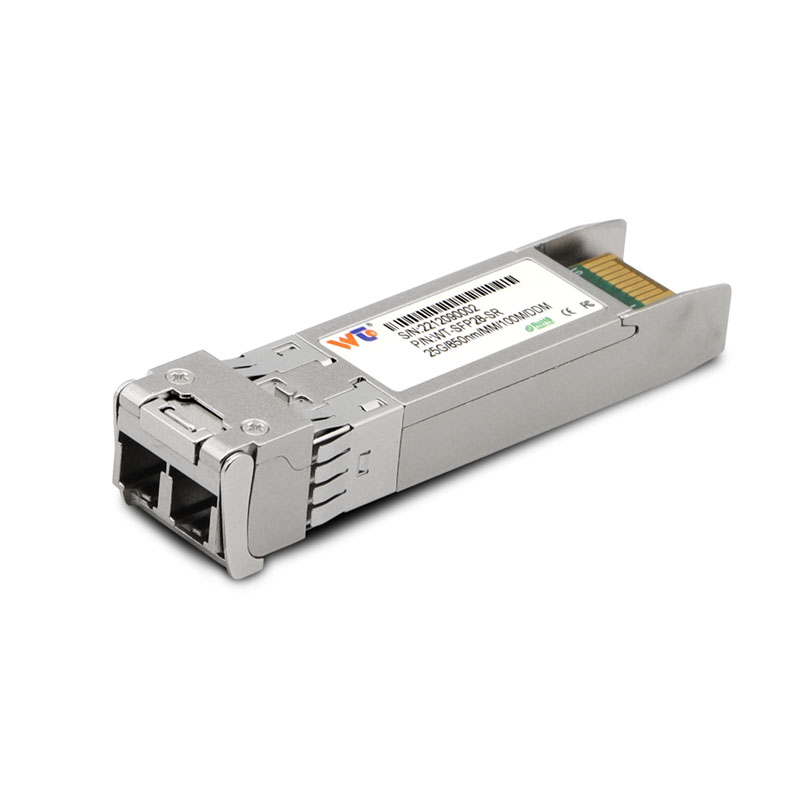
WT SFP Transceiver Module,WT-SFP28-SR,25Gb/s SFP28 SR Transceiver, 850nm, up to 100m,,Commercial grade
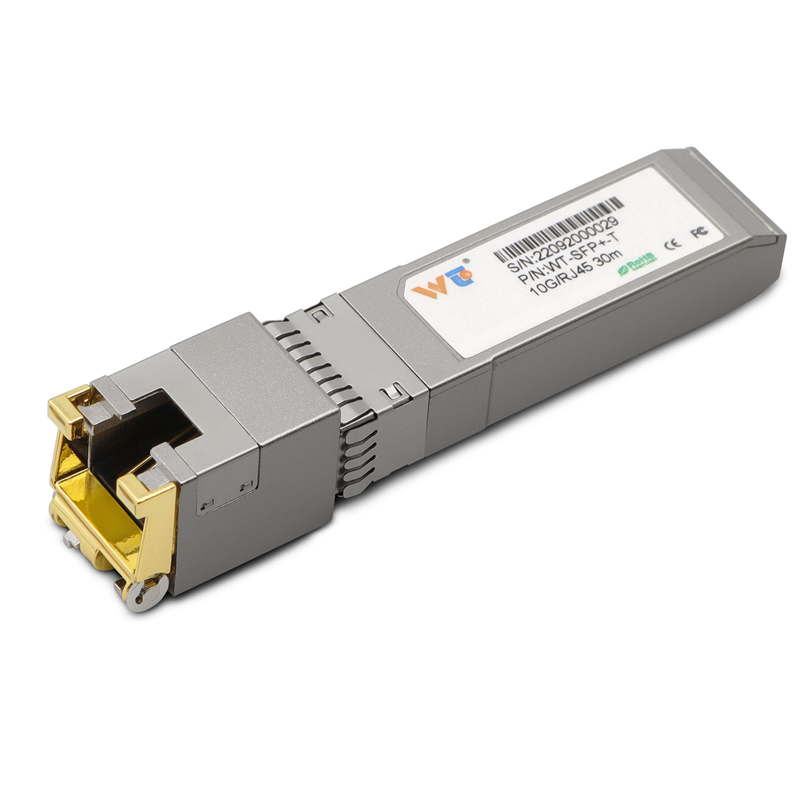
WT SFP Transceiver Module,WT-SFP+-T,10GBase-T SFP+ Transceiver, 10G Copper, RJ-45,Commercial grade
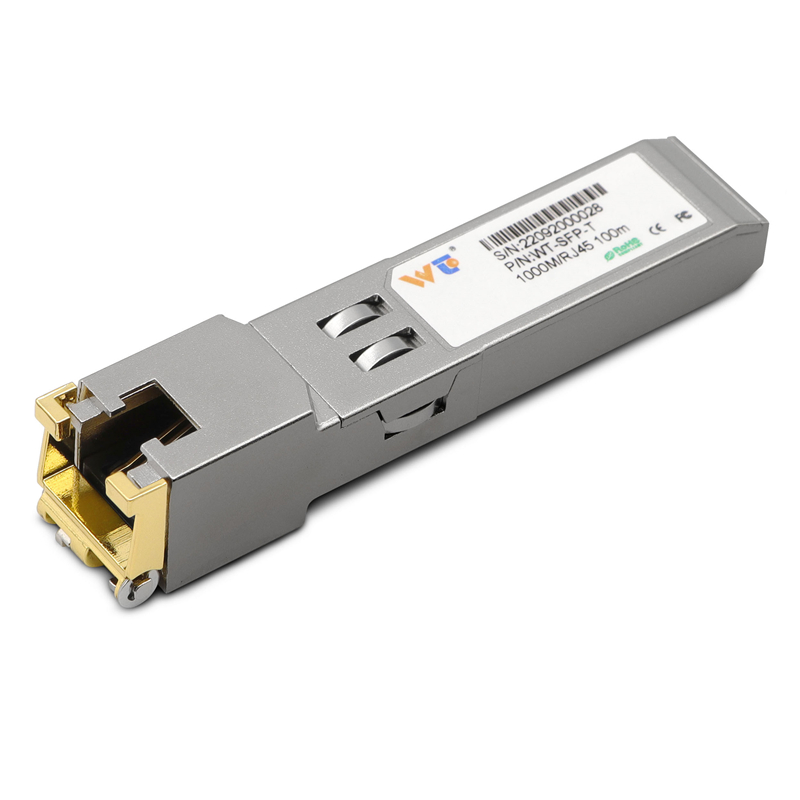
WT SFP Transceiver Module,WT-SFP-T,1.25G SFP 1000Base-T, Copper SFP-T, RJ-45,Commercial grade
FAQ About SFP Transceiver
An SFP (Small Form-factor Pluggable) optical transceiver is a compact, hot-swappable module that connects a network switch, router, or network interface card to a fiber optic or copper cable. It converts electrical signals into optical signals for transmission and back again at the receiving end. Because of its standardized form factor, an SFP optical transceiver can be swapped without powering down the device, making it a flexible building block for modern fiber optic networks.
sfp, sfp+, and higher-speed variants share the same physical form factor but operate at different data rates.
- standard sfp supports up to 1 gbps, making it suitable for gigabit ethernet links.
- sfp+ (10g sfp transceiver)supports up to 10 gbps for higher-throughput applications.
- high-speed transceivers go further still — sfp28 supports up to 25 gbps, qsfp+ up to 40 gbps, and qsfp28 up to 100 gbps — covering data center spine-leaf architectures and high-performance computing requirements.
l Multimode SFP fiber optic transceivers use 850 nm or 1300 nm wavelengths over 50/125µm or 62.5/125µm fiber, supporting distances up to 550 meters — suited for intra-building or campus links.
l Single-mode SFP optical transceivers use 1310 nm or 1550 nm wavelengths over 9/125µm fiber, supporting distances from 2 km up to 80 km or beyond — the standard choice for inter-building and long-haul deployments.
Most switches follow the SFP Multi-Source Agreement (MSA) standard, which defines a common electrical and mechanical interface. Wintop's SFP Optical transceivers are MSA-compliant and designed for broad cross-brand compatibility. That said, some vendors implement proprietary encoding checks. Contact our team with your switch model to confirm compatibility before ordering.
Commercial-grade optical transceiver modules typically operate from 0°C to +70°C and are suited for data centers and office environments. Industrial-grade modules extend this range to -40°C to +85°C and are designed for outdoor enclosures, factory floors, utility substations, and other harsh environments. Confirm the operating temperature specification in each product datasheet before deployment in extreme conditions.
Yes. As a direct optical transceiver manufacturer with in-house R&D and factory production, Wintop supports OEM transceiver programs, including custom firmware encoding, branding, and packaging, with flexible MOQ. Contact us to discuss your requirements.