
Media Converter
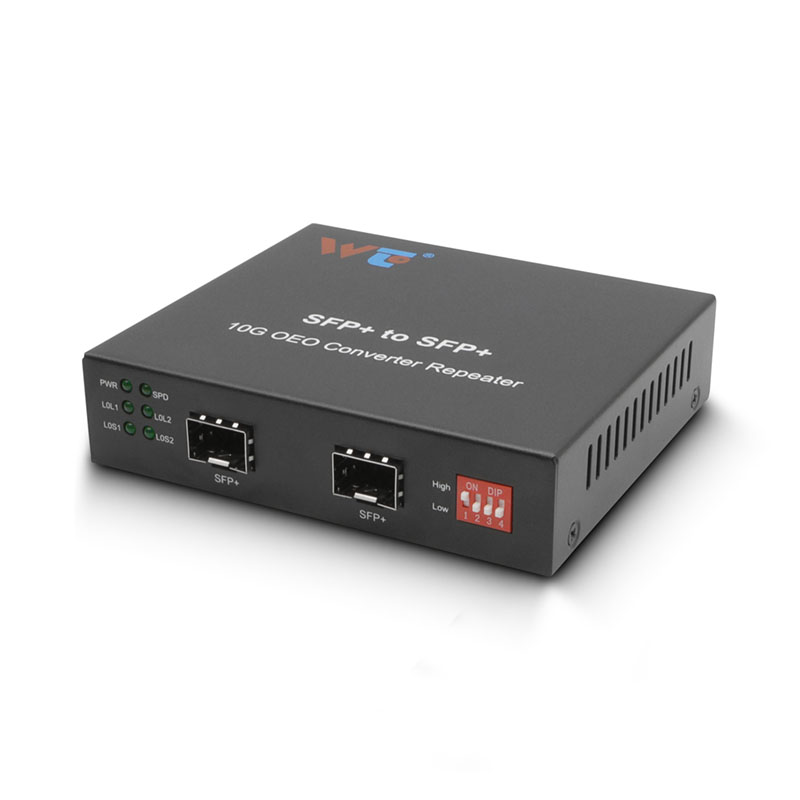
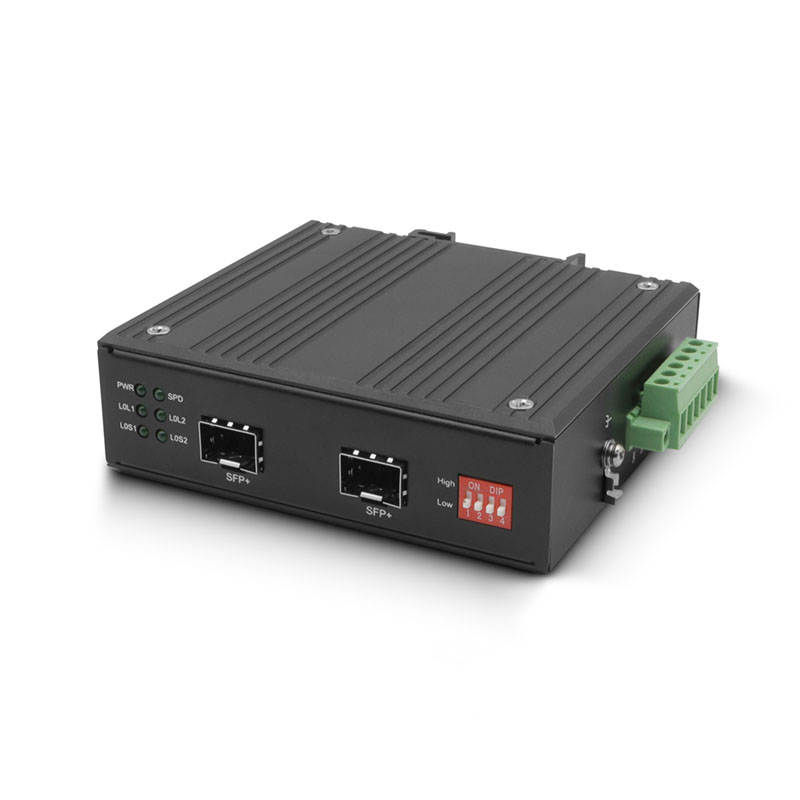
WT Fiber Ethernet Media Converter,WT-F2F-WSFP,10G SFP+ Wavelength Converter,DIN-rail type
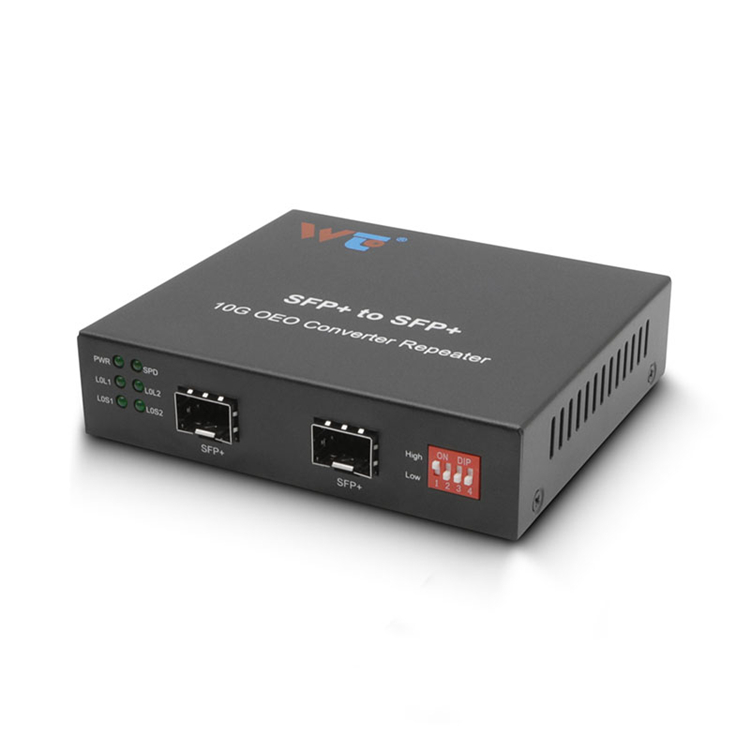
WT Fiber Ethernet Media Converter,WT-F2F-WSFP,10G SFP+ Wavelength Converter, Desktop type
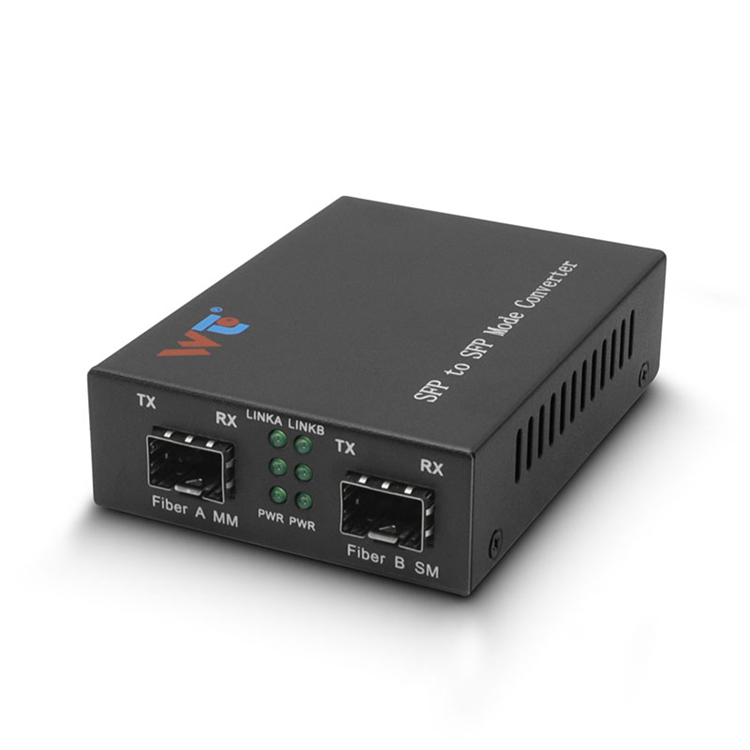
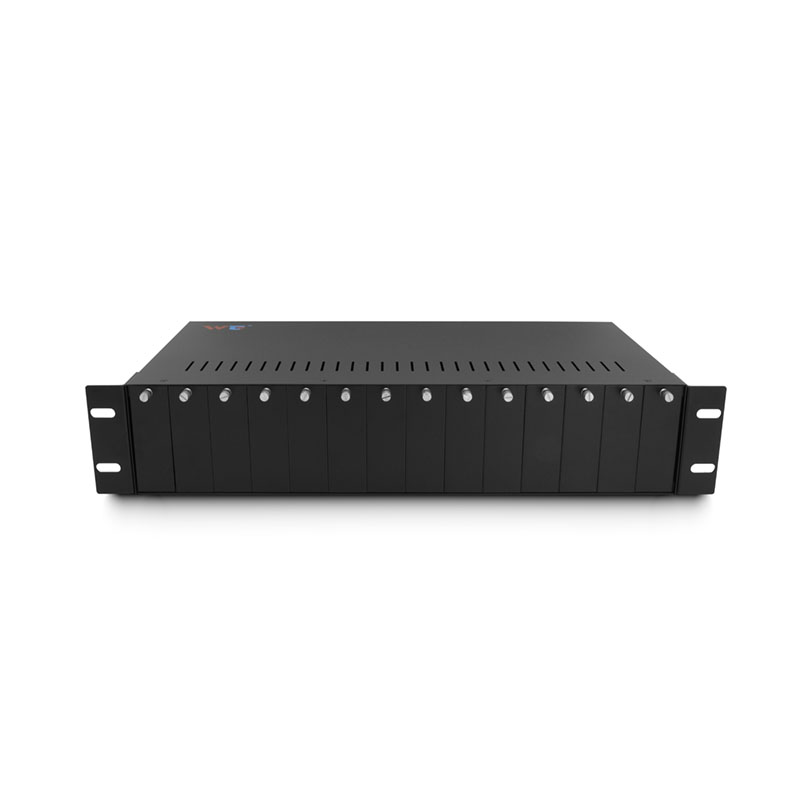
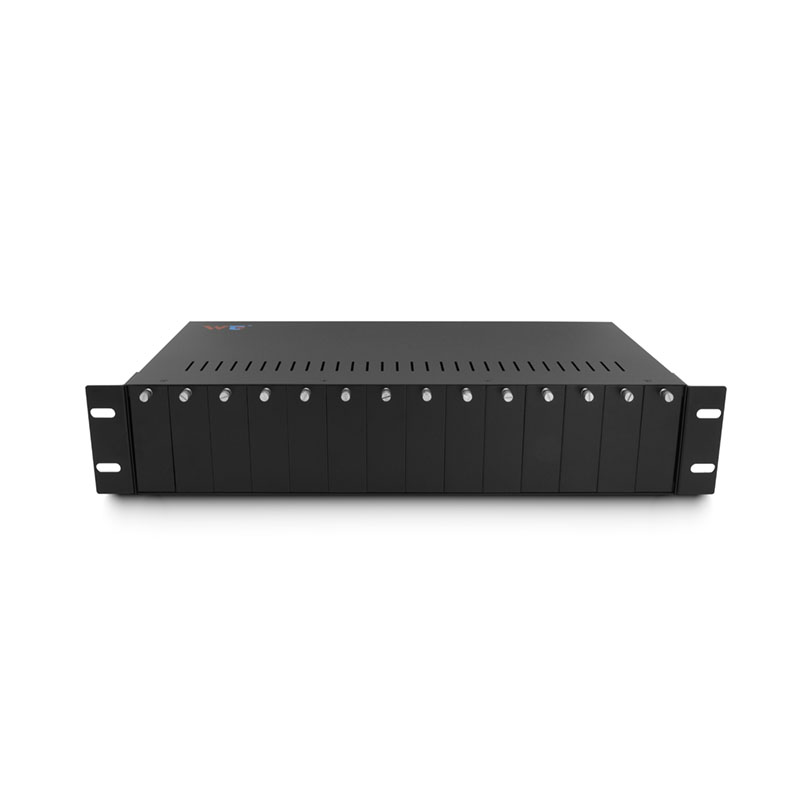
WT Fiber Ethernet Media Converter,WT Fiber Ethernet Media Converter,WT-814-2A,14 slot Media Converter Rack,dual power supply, 220V
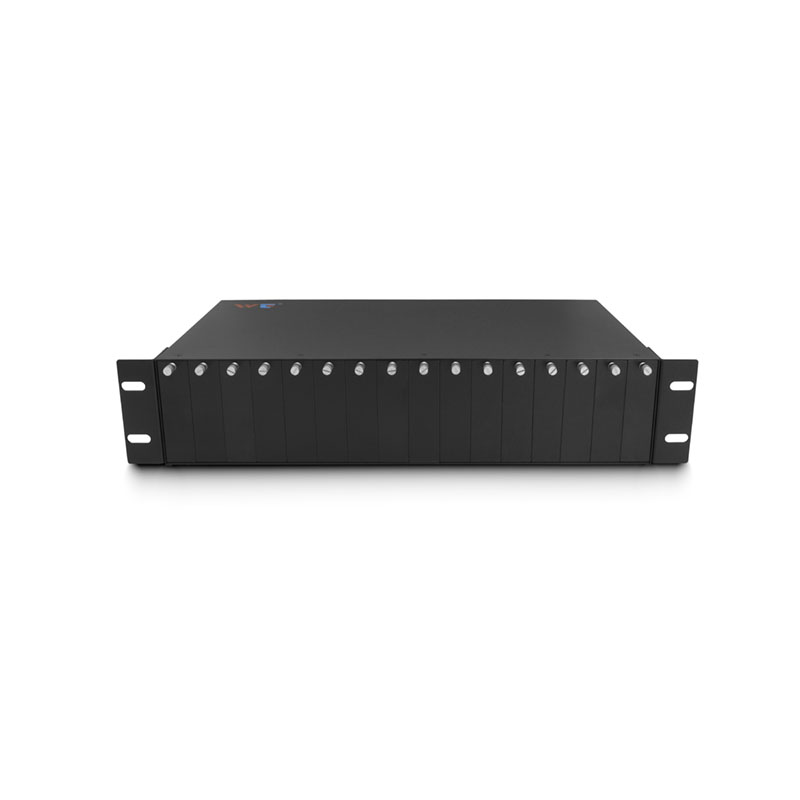
WT Fiber Ethernet Media Converter,WT-816-2A,16 slot Media Converter Rack,dual power supply, 220V
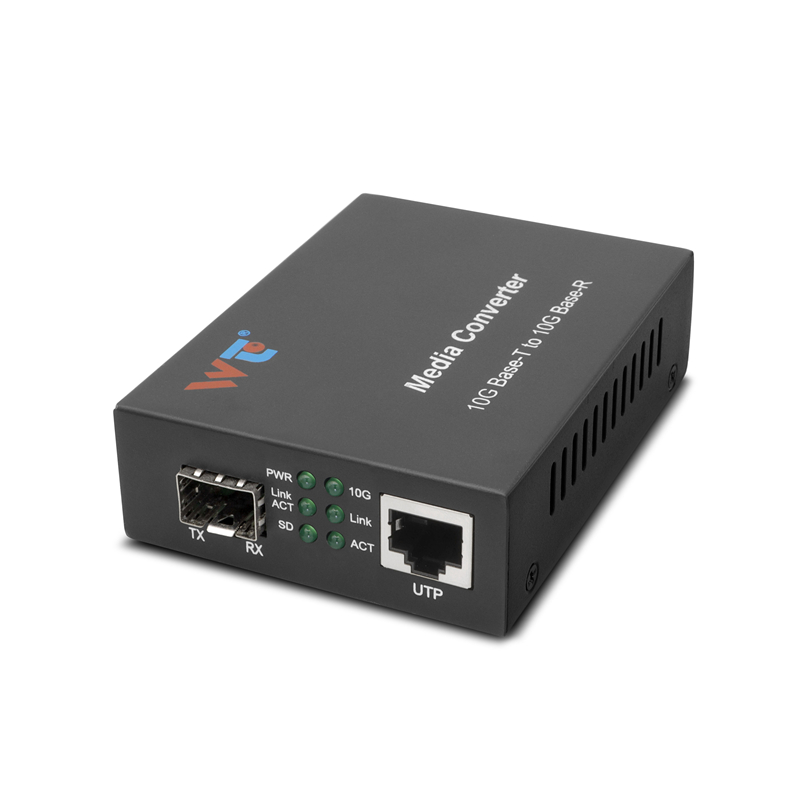
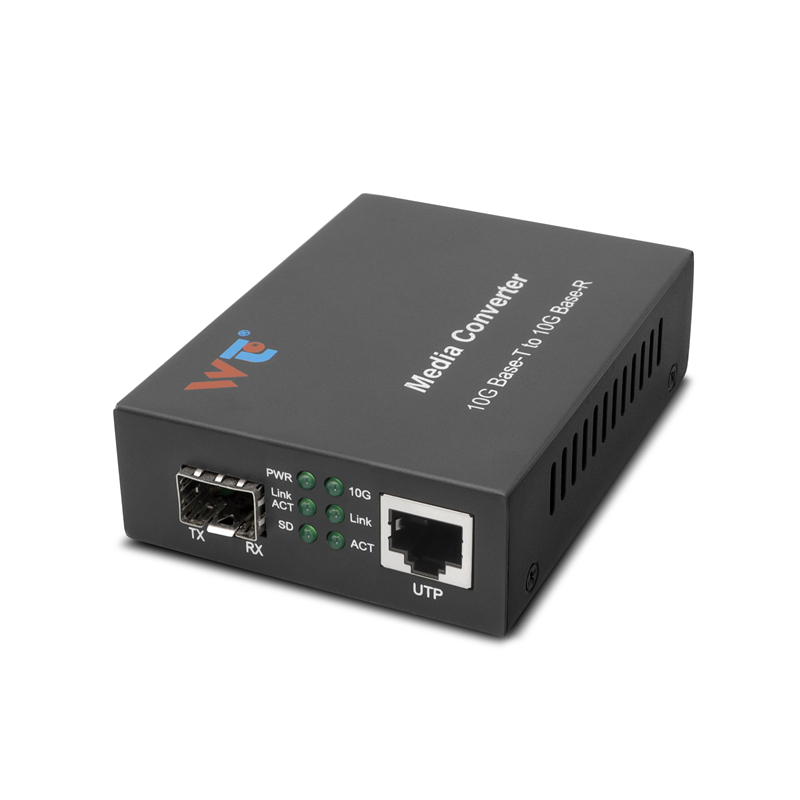
WT Fiber Ethernet Media Converter,WT-8100W,10G SFP Media Converter
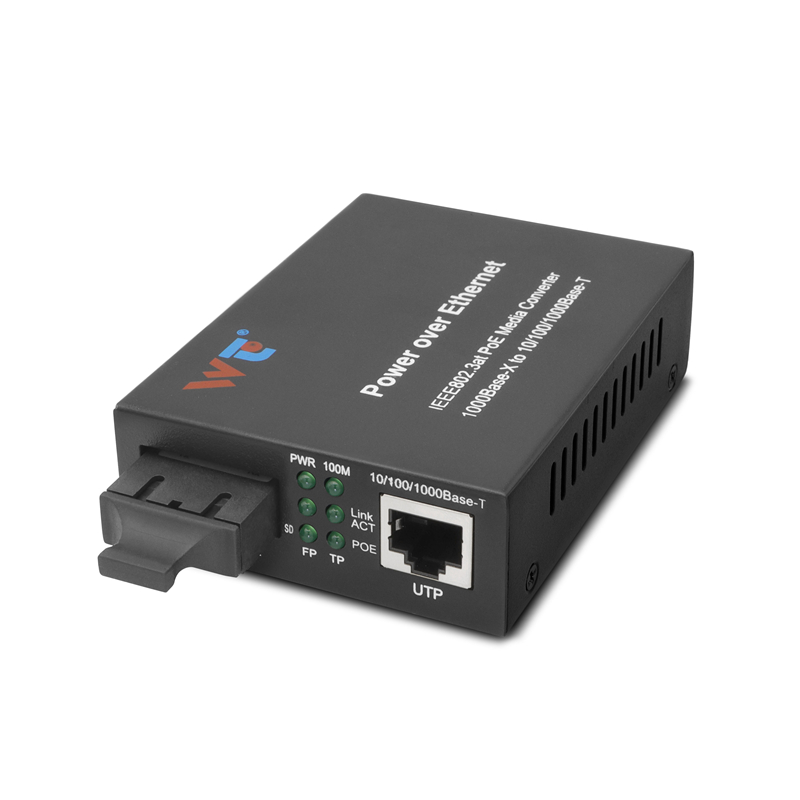
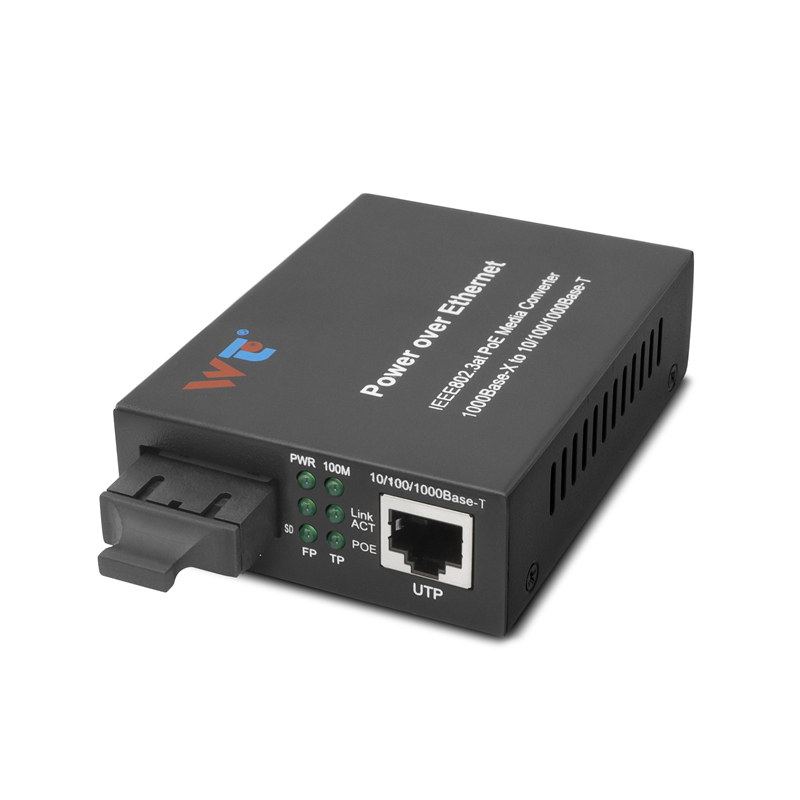
WT Fiber Ethernet Media Converter,WT-P8110GSA-20,1000M POE Media Converter,bulit in Dual SC Fiber
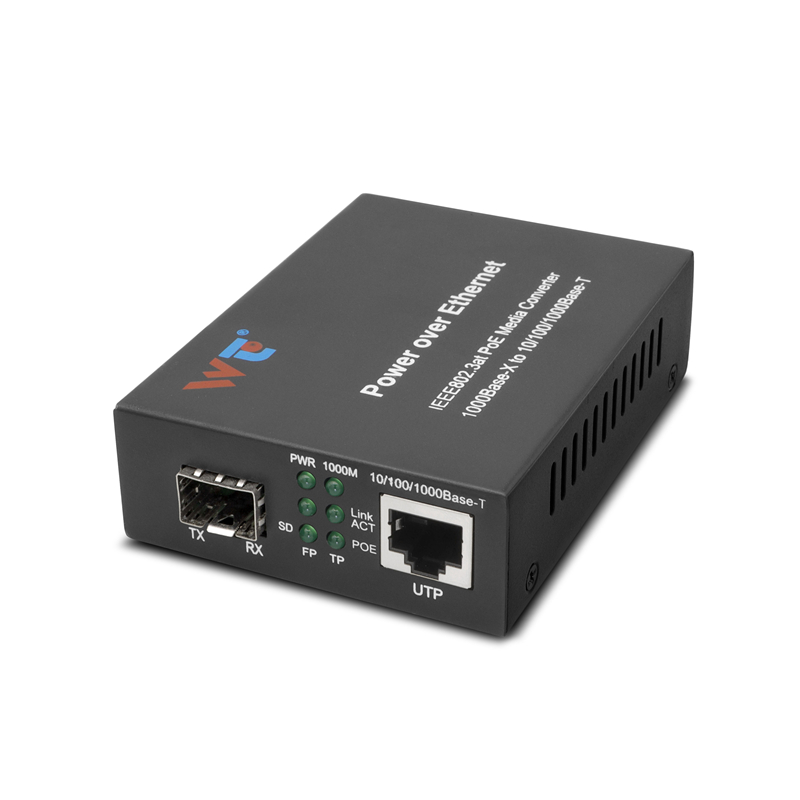
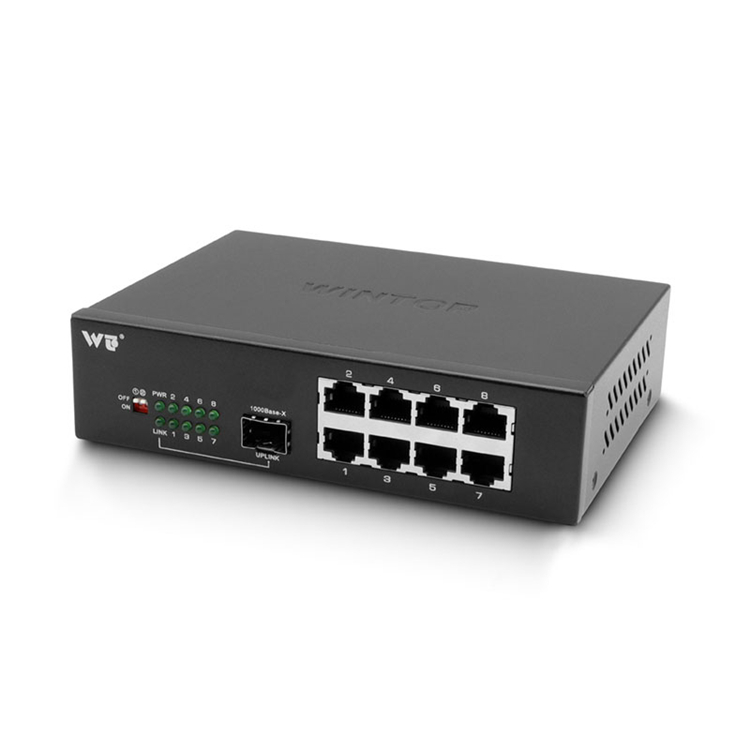
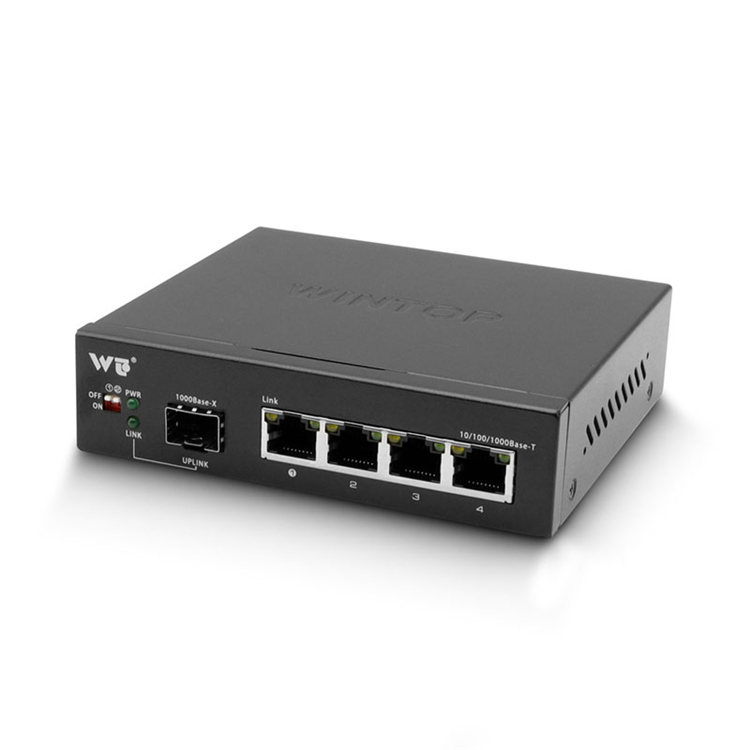
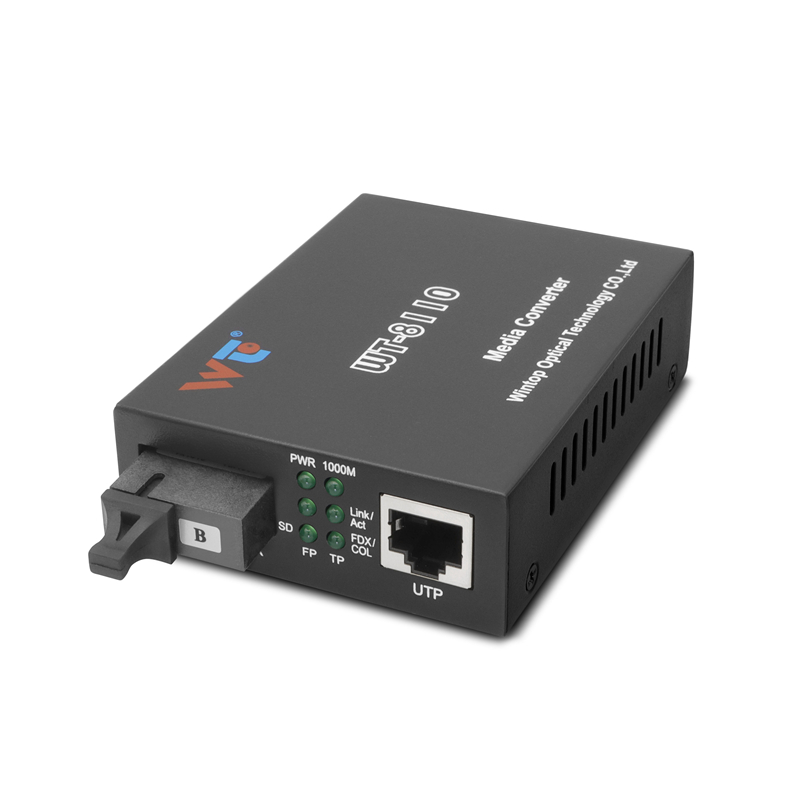
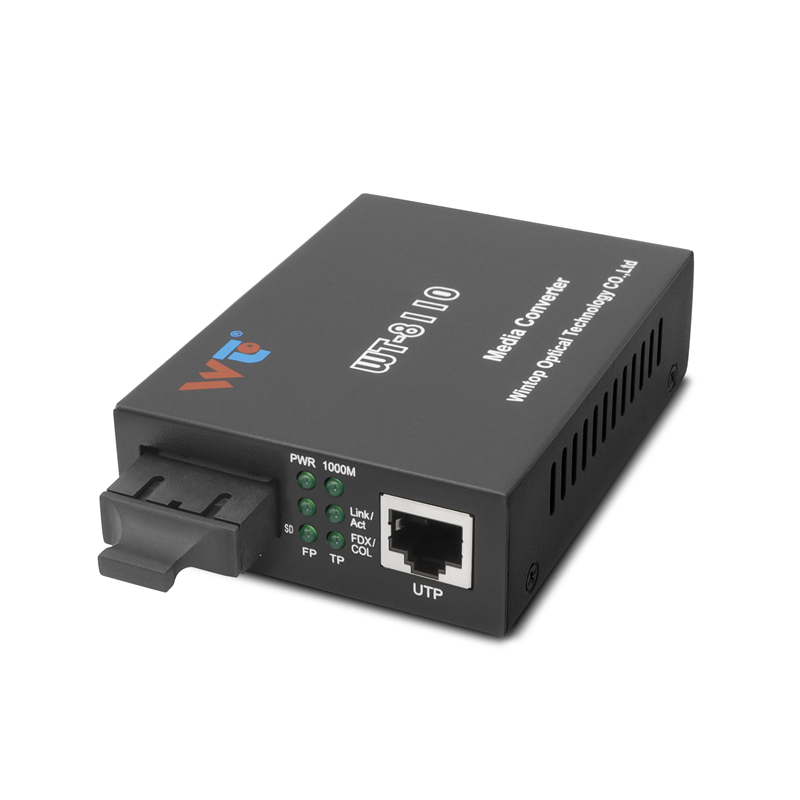
WT Fiber Ethernet Media Converter,WT-8110GSB-20B,1000M Media Converter, bulit in single SC Fiber,up to 20km
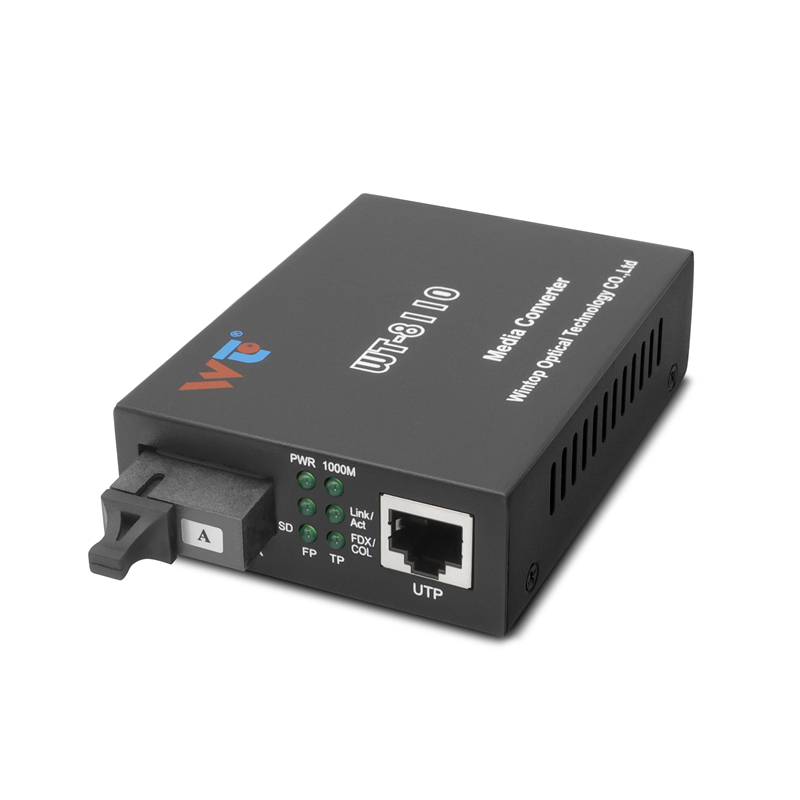
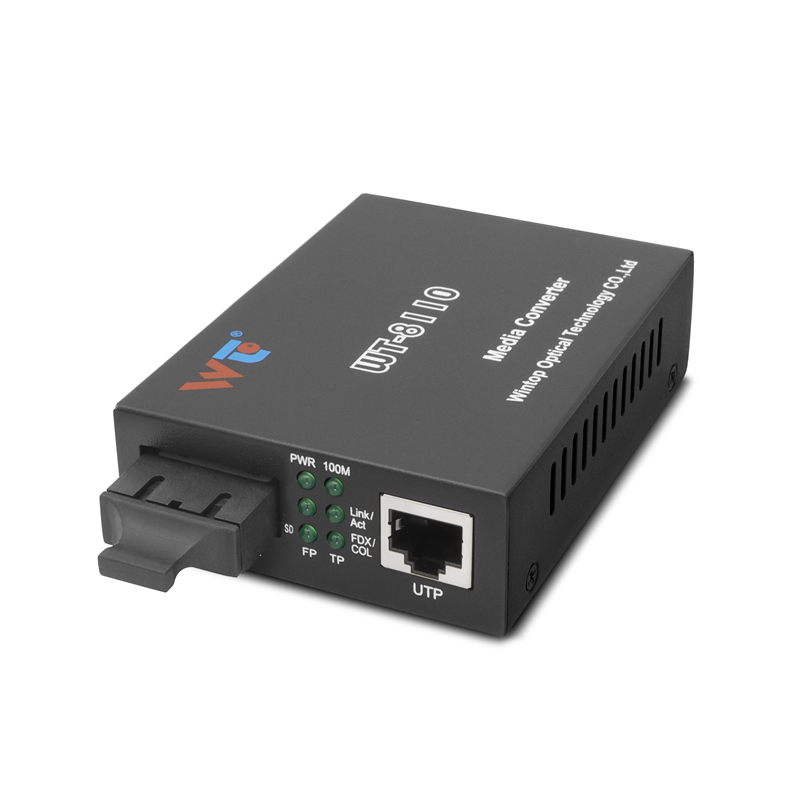
WT Fiber Ethernet Media Converter,WT-8110GSB-20A,1000M Media Converter, bulit in single SC Fiber,up to 20km
FAQ About Media Converter
An Ethernet-to-fiber media converter is a networking device that extends Ethernet connections over long distances by converting electrical signals into optical signals. It bridges copper Ethernet networks with fiber optic infrastructure, delivering higher bandwidth, longer transmission distances, and greater immunity to electromagnetic interference — even in harsh industrial environments.
A media converter performs a single focused task: converting signals between copper Ethernet and fiber-optic cables. It does not manage or direct network traffic.
An industrial Ethernet switch, by contrast, connects multiple devices, forwards data based on MAC addresses, and supports advanced features such as VLANs, QoS, and PoE.
An Ethernet-to-fiber media converter is the right choice when signal conversion alone is required, without switching or traffic management.
The right model depends on the following key factors:
l Fiber Type
Single-mode fiber is ideal for long-distance (up to 120 km) high-speed communication. Multimode fiber is a cost-effective option for shorter runs where distance is not a constraint(up to 2 km).Data Rate Compatibility
Wintop offers three speed tiers to match your bandwidth requirements: 100M for lightweight, low-bandwidth links; 1000M (Gigabit) for standard enterprise and industrial deployments; and 10Gfor high-throughput environments such as data center uplinks and enterprise backbone connections where a lower-speed converter would create a bottleneck.
l Connector Type
Common connector types include SC, ST, LC, and SFP. Match the converter to your existing fiber connectors to avoid compatibility issues.
l Signal Conversion or Power Delivery
A standard Ethernet-to-fiber media converter handles only signal conversion. If your endpoint device — such as an IP camera or wireless access point — has no local power source, a PoE media converter delivers both data and power over the same copper cable, eliminating the need for a separate power supply.
An OEO (Optical-Electrical-Optical) converter is a fiber-to-fiber signal regenerator — it receives a weakened optical signal, converts it to electrical to restore and re-time it, then converts it back to optical for onward transmission. Unlike a standard media converter, which bridges copper and fiber, an OEO converter works entirely within a fiber network, extending reach on ultra-long fiber runs where signal strength would otherwise degrade beyond usable levels.
Sure. As a reliable fiber media converter manufacturer with 21 years of production experience, Wintop supports OEM and ODM customization with flexible MOQ — backed by ISO 9001 quality management and rigorous three-stage testing on every unit. Contact us to discuss specifications and lead time.
A Layer 2 managed switch operates at the data link layer of the network, forwarding traffic between devices based on MAC addresses. Unlike an unmanaged switch, it gives network administrators full control to configure VLANs, prioritize traffic, set up redundant ring topologies, and monitor device status remotely — making it the standard choice for industrial and enterprise networks where reliability and control are critical.