
Understanding 10G Media Converter Technology and Architecture
Modern optical networks require stable connections between copper and fiber environments across many industries. A media converter helps bridge these infrastructures by converting signals between different transmission media. For operators and integrators, understanding architecture, compatibility, and deployment considerations supports reliable network planning and communication system development.
Core Functions of 10G Media Converter Systems
A 10G media converter converter connects 10GBase-T copper Ethernet and 10GBase-R fiber Ethernet interfaces through media conversion. The design uses Ethernet PHY technology to support communication between twisted pair and optical fiber networks, helping users maintain high-speed links across different infrastructures.
The conversion process allows electrical signals from copper connections to communicate with optical signals carried through fiber. This approach supports applications where existing copper equipment must connect with fiber-based backbone networks without replacing complete communication systems.
For power facilities, industrial plants, and security networks, stable data exchange is essential. A converter architecture provides a practical connection method when different cable environments exist across operational areas, supporting communication continuity between control rooms, equipment areas, and remote locations.
Wintop provides equipment designed around these connection requirements, including models that support 10GBase-T copper Ethernet and 10GBase-R fiber Ethernet. We focus on compatibility between copper Ethernet and optical transmission to help customers integrate communication networks efficiently.
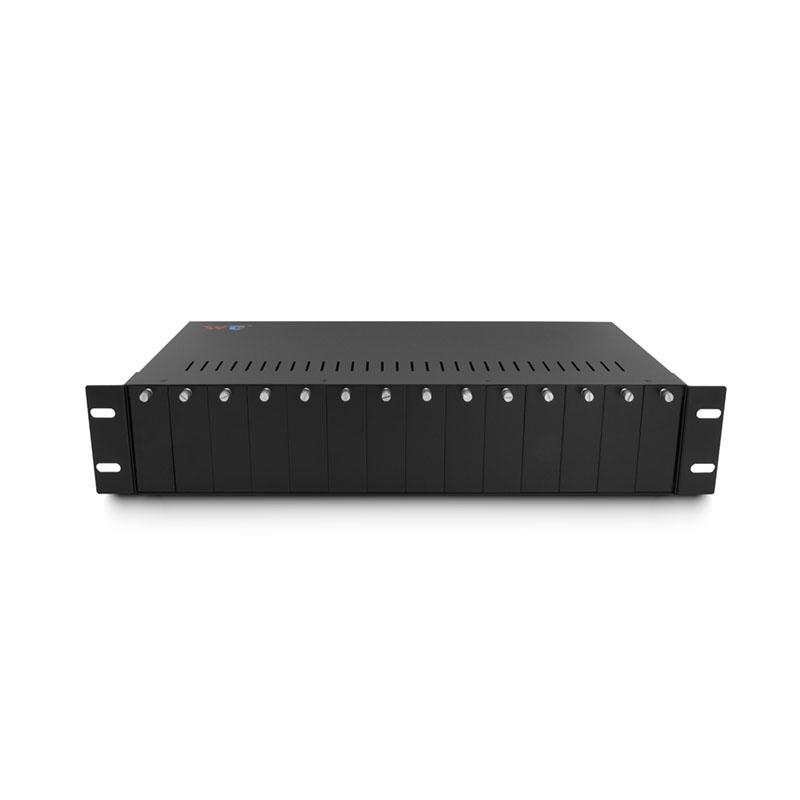
The architecture also considers installation flexibility because some users need standalone devices while others require rack-based deployment. These options allow network planners to match equipment placement with central wiring rooms, industrial cabinets, or distributed communication points.
Signal Conversion Design and Interface Compatibility
A 10G media converter must match the physical characteristics of the network environment. The WT-8100W design includes one 10 Gigabit optical port and one adaptive electrical port, allowing communication between fiber and copper infrastructure while supporting multiple Ethernet standards.
Interface compatibility reduces difficulties during network upgrades. The copper port supports 1000Base-T, 2.5GBase-T, 5GBase-T, and 10GBase-T auto-negotiation, giving engineers flexibility when connecting equipment with different speed requirements.
Fiber selection is another important consideration for deployment planning. The supported optical wavelengths include 850nm, 1310nm, and 1550nm options, while transmission modes include dual fiber multimode, dual fiber single mode, and single fiber single mode configurations.
Industrial users often require equipment that operates consistently over extended periods. The converter design emphasizes low power consumption and low heat generation, helping maintain stable performance in communication environments where continuous operation is required.
For integrators working with surveillance, automation, or transportation networks, interface matching prevents unnecessary replacements. Proper selection of ports, fiber type, and transmission mode helps create dependable links between existing systems and upgraded optical infrastructure.
Deployment Considerations for Industrial Networks
Industrial communication systems often connect equipment across different physical locations. A suitable converter supports data transmission between copper devices and fiber networks, making it useful for environments requiring distance extension and resistance to electromagnetic interference.
Power generation and distribution applications require dependable communication between operational facilities. Wintop supports solution scenarios involving distribution and substation networks, where communication reliability is important for monitoring and management functions.
Manufacturing environments also benefit from stable network connections between automated equipment and control systems. Proper optical communication design helps industrial firms maintain data exchange across production areas while supporting structured network expansion.
Security and surveillance integrators need reliable connections for cameras, monitoring platforms, and related systems. Fiber conversion technology supports longer communication paths while maintaining consistent signal transmission between different network segments.
Transportation agencies managing intelligent traffic systems require communication equipment that fits distributed infrastructure. Converter solutions can support connections between roadside equipment, control centers, and fiber communication networks when different media types are involved.
Performance Features and Network Reliability
Network stability depends on more than transmission speed. Flow control functions help manage data movement, and the WT-8100W supports IEEE802.3x full duplex flow control together with half-duplex back pressure flow control for communication management.
A reliable optical connection requires equipment designed for practical operating conditions. The WT-8100W supports an operating temperature range of -20°C to 60°C.
Wintop develops optical communication products with attention to manufacturing processes and product consistency. We provide equipment options that help network partners and system integrators address different project requirements through suitable communication components.
Rack integration is another consideration for larger network deployments. The converter can operate as a standalone unit or as an embedded module in a 19-inch converter rack, supporting centralized wiring room applications.
For wholesale partners and infrastructure providers, understanding technical specifications improves project matching. Factors such as port type, fiber mode, wavelength, and operating environment should be reviewed before deployment to support long-term network performance.
Application Value for Communication Infrastructure
High-speed optical networks continue to expand across industrial sectors where dependable communication is required. Media conversion technology provides a connection approach between legacy copper systems and newer fiber infrastructure without replacing every existing network component.
The 10G media converter architecture supports telecommunications, broadcasting, and broadband network applications by converting data signals between twisted pair and optical fiber transmission media. This helps users maintain high-speed Ethernet connections across different physical infrastructures.
Network infrastructure wholesalers can benefit from understanding product specifications because customers often require different connection methods. Matching equipment capabilities with application needs helps improve project support and communication system planning.
Industrial automation firms, security integrators, and transportation agencies should evaluate network distance, interface requirements, and environmental conditions before deployment. These factors influence whether a specific conversion solution fits the intended communication environment.
As optical communication requirements continue to expand, selecting suitable conversion equipment remains important for efficient infrastructure upgrades. Careful evaluation of architecture and specifications helps organizations maintain dependable connectivity across complex operational networks.
Conclusion
Wintop provides optical communication equipment designed for industrial interconnection needs, with solutions covering media conversion, network products, and application support. We combine product experience with technical services to assist customers in developing suitable communication systems. Contact Wintop to discuss your project requirements and receive professional support.