
What Are Industrial Ethernet Switches and How Do They Work?
Industrial Ethernet switches are network devices that connect multiple industrial systems, allowing data communication between equipment, controllers, cameras, and other terminals. They manage traffic by directing information to the correct destination, supporting reliable operations across industrial environments.
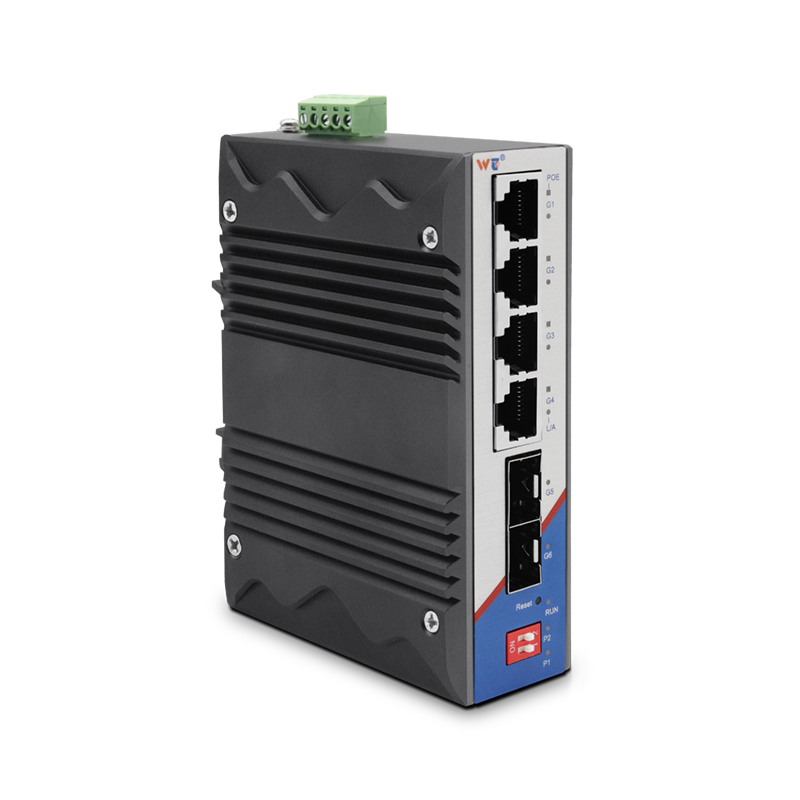
Industrial Ethernet Switch Fundamentals
An industrial Ethernet switch receives data packets from connected devices and forwards them through appropriate ports. Unlike basic hubs, switches use intelligent forwarding methods to improve communication efficiency. This function can help improve traffic efficiency in industrial networks used for automation, monitoring, and control applications
These switches are designed for demanding environments where communication equipment may need to operate under specific temperature, vibration, or electromagnetic conditions. Applications such as power systems, manufacturing facilities, and transportation networks require dependable connections between many devices. Industrial designs help support these operational requirements with suitable network structures.
A major part of industrial networking involves matching equipment with application needs. An optical transceiver supplier can provide compatible optical components that support fiber connections between switches and distant network points, helping enterprises create flexible communication layouts for various industrial scenarios.
Managed and unmanaged switches provide different functions for network planning. Managed models allow administrators to control traffic features, while unmanaged models offer simpler deployment. We provide Ethernet switch categories including managed, PoE, Smart Dial, and unmanaged options for industrial and enterprise applications.
How Industrial Ethernet Switches Operate
The operation process begins when a switch receives information through one port and identifies where the data should travel. It then forwards packets through the correct connection instead of sending information across every port. This improves network communication efficiency and reduces unnecessary traffic.
Industrial networks often contain many devices working together, including sensors, controllers, cameras, and monitoring systems. Switches create communication paths between these components, allowing data exchange for automation and supervision tasks. Reliable transmission is especially important for systems requiring continuous operation.
Fiber connectivity is commonly used when networks require longer transmission distances or stronger resistance against interference. Wintop solutions include optical modules and fiber-related equipment that support communication connections across industrial environments where stable data transmission is required.
Network administrators also consider features such as redundancy, traffic management, and environmental compatibility. Industrial Ethernet switch designs can support applications where communication reliability is important, including substations, intelligent transportation systems, and industrial automation environments.
Industrial Applications and Network Requirements
Power generation and distribution operators depend on communication networks for monitoring and control functions. Industrial switches support connections between substations, control equipment, and related systems. Wintop solutions cover distribution and substation applications where reliable communication helps maintain efficient power infrastructure operations.
Security and surveillance systems require stable connections for cameras, monitoring devices, and data transmission platforms. Industrial switches help integrate these devices into communication networks, supporting real-time information exchange for safety applications and facility monitoring requirements.
Manufacturing and industrial automation firms use network switches to connect machines, sensors, and control systems. These communication structures support automated processes and equipment monitoring. An optical transceiver supplier can assist with fiber-based connectivity requirements when production environments need dependable links.
Intelligent transportation agencies also rely on communication equipment for traffic management and infrastructure systems. Industrial switches provide network connections for applications involving vehicle communication, monitoring systems, and transportation control environments.
Optical Transceiver Supplier Support for Industrial Networks
Selecting suitable network components requires attention to compatibility, communication distance, and system requirements. An optical transceiver supplier can support projects by providing optical modules that connect switching equipment with fiber networks, helping organizations maintain efficient data transmission paths.
Fiber optic equipment works together with Ethernet switches to extend communication coverage and support complex industrial layouts. Wintop offers SFP transceiver modules and other optical interconnection products designed for industrial networking needs, supporting different communication scenarios.
Industrial customers often require technical assistance before deployment, including product consultation and application evaluation. Wintop provides services such as technical support and remote demonstrations, helping customers review equipment performance and configurations before project implementation.
Reliable industrial communication depends on coordinated hardware choices, network design, and application requirements. Partners should evaluate switch types, optical components, and system conditions together to create networks suitable for long-term operation in demanding industrial environments.
Industrial Ethernet Switch Solutions from Wintop
Wintop develops optical modules and switches for industries requiring dependable communication infrastructure. Its product range includes Layer 2 managed switches, Layer 2 managed PoE switches, Smart Dial switches, and unmanaged switches for different network scenarios.
Power projects may use industrial switches for substation and distribution networks, while security systems can use PoE or fiber-connected switches for networked monitoring equipment. Industrial automation customers can apply switches for equipment communication and process monitoring across manufacturing environments.
Project requirements vary across industries, so communication equipment must match specific operational conditions. Wintop supports OEM and ODM services for networking equipment, including switches, optical transceivers, and fiber media converters, helping partners address specialized application needs.
Industrial Ethernet switches remain an important part of modern communication infrastructure because they connect operational devices and support efficient data exchange. With appropriate network planning, enterprises can create reliable systems for power, automation, security, and transportation applications.
Conclusion
Industrial Ethernet switches provide essential communication capabilities for industrial networks by managing data flow between connected devices. We at Wintop combine optical module expertise, switch products, and technical services to support global industrial communication projects. Contact us to discuss suitable networking solutions for your application needs.
Related Products:
l Layer 2 Managed PoE Switches