
Standards and Certifications in Network Device Manufacturing
In the global networking industry, standards and certifications play a critical role in ensuring that products are safe, reliable, and compatible across different regions. As we operate in the field of network equipment manufacturing, we understand that compliance is not only a regulatory requirement but also a key factor in building customer trust. For network device manufacturers like Wintop, meeting international standards helps ensure consistent performance, interoperability, and long-term product stability in complex communication environments.
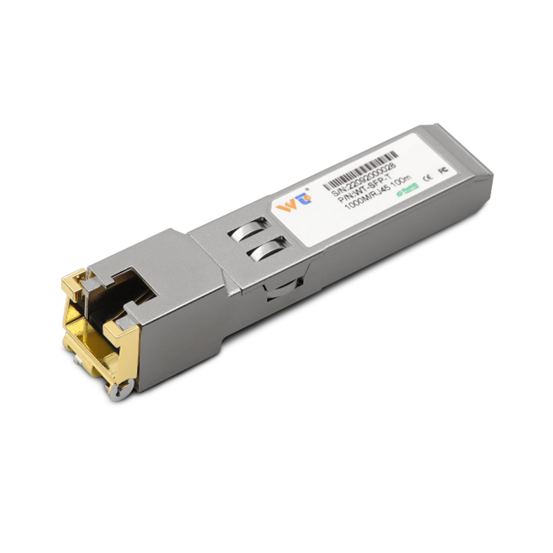
The Importance of Standards in Network Device Manufacturing
Network devices such as switches, routers, and transmission modules must operate continuously under demanding conditions. Standards provide a structured framework that defines performance expectations, electrical safety, electromagnetic compatibility, and environmental requirements.
We rely on globally recognized frameworks such as ISO quality management systems to guide production consistency. For example, ISO 9001 is widely used across the electronics manufacturing industry to ensure controlled processes and continuous improvement. These systems help reduce variability in production and improve overall product reliability.
Beyond internal quality systems, network device manufacturers must also ensure that their products meet regulatory expectations in target markets, including North America, Europe, and Asia.
Key Certifications in the Networking Industry
Several certifications are commonly required for network devices before they can be deployed in global markets.
One of the most important is CE marking, which indicates compliance with European safety, health, and environmental protection requirements. This includes electromagnetic compatibility and electrical safety standards.
In the United States, FCC certification is required to ensure that electronic devices do not cause harmful interference with communication systems. This is particularly important for networking equipment that handles radio frequency signals or high-speed data transmission.
RoHS compliance is another key requirement, restricting the use of hazardous substances in electronic equipment. This ensures environmental safety and aligns with global sustainability initiatives.
Additionally, UL certification is often required for electrical safety, particularly in industrial and enterprise-grade deployments. These certifications collectively ensure that network devices meet strict operational and safety expectations.
How Certifications Impact Manufacturing Processes
For network device manufacturers, certification requirements influence every stage of production, from component selection to final testing. We integrate compliance considerations early in product design to reduce development risks and shorten approval cycles.
Testing is typically conducted in accredited laboratories where devices are evaluated for electromagnetic emissions, thermal stability, and operational durability. Manufacturers must also maintain detailed documentation to demonstrate conformity with applicable standards.
This structured approach not only supports regulatory approval but also improves product quality and reduces failure rates in real-world deployments.
Why Compliance Matters for Global Deployment
In today's interconnected world, network devices are deployed across multiple regions with different regulatory frameworks. Without proper certification, products may face market restrictions or compatibility issues.
For enterprises and system integrators, certified equipment reduces deployment risks and ensures smoother integration into existing infrastructure. It also helps build confidence in long-term operational stability, especially in mission-critical environments such as data centers, industrial automation systems, and telecommunications networks.
Conclusion
Standards and certifications are essential pillars of network device manufacturing. They ensure that products meet safety, performance, and environmental expectations while enabling global market access. For companies like Wintop, compliance is not treated as a formality but as an integral part of engineering and production strategy.
At Wintop, we focus on delivering network devices that align with international standards and certification requirements, ensuring reliable performance across diverse applications. With strong manufacturing capability and a commitment to quality control, we continue to support customers with compliant and dependable networking solutions.