
What Is a Network Switch Layer 2 and How Does It Work?
A network switch Layer 2 is a fundamental networking device used in local area networks (LANs) to connect multiple devices and efficiently forward data between them. It operates at the Data Link Layer (Layer 2) of the OSI model, meaning its decisions are based on MAC addresses rather than IP addresses. This makes it highly effective for fast and stable communication within internal networks such as offices, data centers, and enterprise environments.
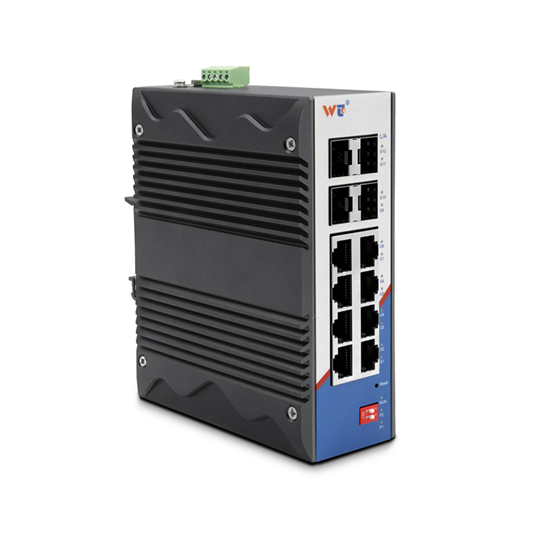
How a Layer 2 Network Switch Works
A Layer 2 switch works by receiving data frames from connected devices and deciding where to send them based on the destination MAC address. When a device sends data, the switch first analyzes the incoming frame and then forwards it only to the correct port instead of broadcasting it to all devices.
Over time, the switch builds a MAC address table by learning which devices are connected to which ports. This learning process allows it to make faster forwarding decisions and reduce unnecessary network traffic.
In addition, if the destination MAC address is unknown, the switch temporarily floods the frame to all ports except the source port, ensuring the data still reaches its destination while updating its internal table for future use.
Key Functions of a Layer 2 Switch
A Layer 2 switch performs several essential functions that ensure smooth network communication. It learns device addresses dynamically by observing incoming traffic and stores this information in its internal table. It then forwards frames only to the intended recipient, which reduces congestion and improves efficiency.
It also separates collision domains, meaning each connected device has its own dedicated communication path. This significantly improves performance compared to older shared-network technologies. Additionally, Layer 2 switches support features like frame filtering and loop prevention to maintain stable network behavior.
Why Layer 2 Switching Is Important
Layer 2 switching is widely used because it is simple, fast, and efficient for internal network communication. Since it operates at the hardware level using MAC addresses, it can process traffic with very low latency.
It is especially useful in environments where many devices need to communicate within the same network segment, such as business offices, campuses, and server farms. By reducing unnecessary data broadcasting, it helps improve bandwidth utilization and overall network performance.
Common Use Cases
Layer 2 switches are commonly deployed in access networks where end devices like computers, printers, IP cameras, and wireless access points connect to the LAN. They are also used in network expansion scenarios where additional ports are needed without changing the core network structure.
Because of their efficiency and reliability, they form the backbone of most modern Ethernet-based networks.
Conclusion
A network switch Layer 2 plays a crucial role in modern networking by enabling efficient communication between devices through MAC address-based forwarding. It learns device locations dynamically, reduces unnecessary traffic, and improves overall network performance while maintaining a simple operating structure.
At Wintop, we focus on delivering reliable Layer 2 managed network switch solutions designed for stable connectivity, flexible deployment, and efficient data handling. Explore Wintop's networking products to build a more stable and scalable network infrastructure tailored to your needs.