
Compatibility of SFP Fiber Optic Transceivers with Network Switches
SFP fiber optic transceivers are widely used in modern networking systems to enable high-speed and stable data transmission between switches, routers, and servers. However, compatibility between an SFP fiber optic transceiver and a network switch is not always guaranteed by physical fit alone. At Wintop, we focus on helping users understand these compatibility requirements so they can deploy network systems with fewer interruptions and better stability.
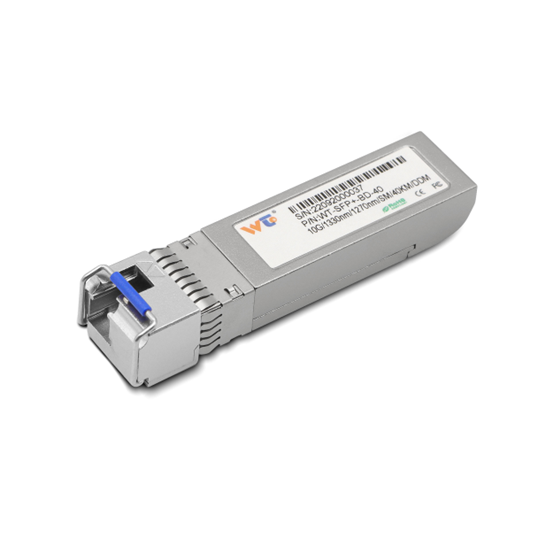
Understanding SFP Compatibility in Network Switches
Although SFP modules follow a standardized physical form factor defined by the Multi-Source Agreement, real-world compatibility depends on multiple technical and system-level factors. A transceiver may fit into a switch port, but still fail to operate if it does not meet the switch's electrical, optical, or firmware requirements.
Network switches typically evaluate compatibility based on supported data rates, interface types such as SFP or SFP+, and internal validation rules. In many cases, the switch will only accept modules that match its expected coding or approved device list. This makes compatibility a combination of hardware and software recognition rather than simple plug-and-play functionality.
Key Technical Considerations for Compatibility
One of the most important factors is data rate alignment. The SFP module must match the switch port speed, such as 1G or 10G, otherwise the link will not establish correctly. Even when backward compatibility exists in some switch models, it is not universal and depends on the manufacturer's design.
Optical specifications also play a major role. The transceiver must match the fiber type used in the network, whether single-mode or multi-mode, as well as the required wavelength. Transmission distance must also be within the supported optical budget of both the switch and the module. A mismatch in these parameters can lead to unstable connections or complete signal failure.
Another important factor is vendor compatibility. Some switches are designed to recognize only original or certified modules. In such cases, third-party SFP transceivers may require compatible coding to ensure proper identification. Without this alignment, the switch may display warnings or disable the port entirely.
Firmware behavior is also increasingly relevant in modern network environments. Many switches include internal compatibility databases that determine whether a transceiver is approved. If the module is not recognized, network administrators may need to adjust settings, depending on system permissions.
Ensuring Reliable Deployment
To achieve stable performance, it is important to verify compatibility before installation. This includes confirming that the transceiver matches switch specifications in terms of speed, optical characteristics, and coding requirements. It is also recommended to conduct testing in a controlled environment before full-scale deployment, especially in mixed-brand networks.
Conclusion
Compatibility between an SFP fiber optic transceiver and a network switch depends on a combination of physical standards, optical requirements, and system-level recognition. Understanding these elements helps prevent connectivity issues and ensures more reliable network performance.
At Wintop, we provide a wide range of SFP fiber optic transceivers designed for consistent performance across major networking platforms. We focus on practical compatibility and stable operation, helping customers build efficient and dependable network infrastructures.