
Optical Transceiver Module Integration in Network Systems
In modern communication infrastructure, the optical transceiver module plays a critical role in enabling high-speed and stable data transmission across network systems. As we at Wintop work with enterprise networking solutions, we understand that the [Nora1] of optical modules is not just a hardware decision, but a system-level design consideration that affects performance, compatibility, and scalability.
This article explores how optical transceiver modules are integrated into network systems and the key factors engineers and network planners should consider.
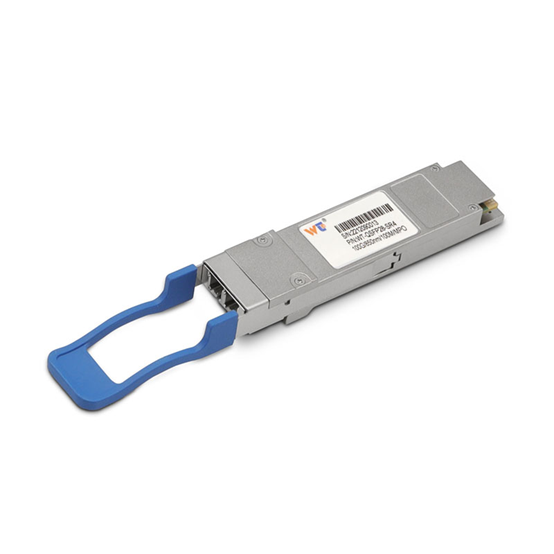
Role of Optical Transceiver Modules in Networks
An optical transceiver module functions as a bridge between electrical signals and optical signals. It converts data from network devices into light for transmission over fiber optic cables and then back into electrical signals at the receiving end.
In network systems, we see these modules widely deployed in switches, routers, and data center interconnects. At Wintop, we design solutions that support common standards such as SFP and SFP+, ensuring compatibility with various enterprise network architectures.
Integration in Network System Architecture
When integrating an optical transceiver module into a network system, compatibility with the host device is the first consideration. The module must match the port type, data rate, and protocol requirements of switches or routers.
We at Wintop focus on ensuring seamless integration by aligning module specifications with system-level requirements such[Nora2] the following:
First, data rate alignment, where modules must support expected speeds such as 1G or 10G Ethernet.
Second, interface standard compliance, including widely used MSA standards that define electrical and mechanical compatibility.
Third, digital diagnostic monitoring support, which allows real-time tracking of temperature, optical power, and voltage for operational stability.
Performance and Transmission Considerations
Network performance depends heavily on the optical transceiver's transmission distance, wavelength, and power consumption. For example, 10G SFP+ modules can support distances from short-range data center links to long-haul connections over single-mode fiber.
At Wintop, we prioritize low-power consumption designs and stable optical performance to ensure efficient long-distance communication without signal degradation.
In addition, proper integration requires attention to electromagnetic interference shielding and thermal management, especially in high-density networking environments.
Compatibility and Deployment Challenges
One of the most common challenges in system integration is cross-vendor compatibility. Network devices from different manufacturers may interpret optical module parameters differently, leading to recognition or performance issues.
We at Wintop address this through strict compliance testing and compatibility validation across major network equipment platforms. This ensures that our optical transceiver modules can be deployed flexibly in mixed-network environments.
Another consideration is hot-swappability, which allows modules to be replaced without shutting down the system, improving maintenance efficiency in live networks.
Conclusion
The integration of optical transceiver modules into network systems is a foundational element of modern high-speed communication infrastructure. From interface compatibility to transmission stability, every detail affects overall network performance.
At Wintop, we focus on delivering optical transceiver module solutions designed for stable integration, broad compatibility, and efficient data transmission. Our goal is to support enterprises in building reliable and scalable network systems through practical optical connectivity solutions.
Wintop provides optical communication products and engineering support to help you achieve stable and efficient network integration.
[Nora1]前加the
[Nora2]改as the following: