
Optical Transceivers for Smart City Infrastructure
Smart city infrastructure depends on fast, stable, and scalable data transmission across transportation systems, surveillance networks, utilities, and IoT platforms. In our experience at Wintop, we see that the performance of optical transceivers plays a central role in keeping these systems connected and responsive under heavy data loads.
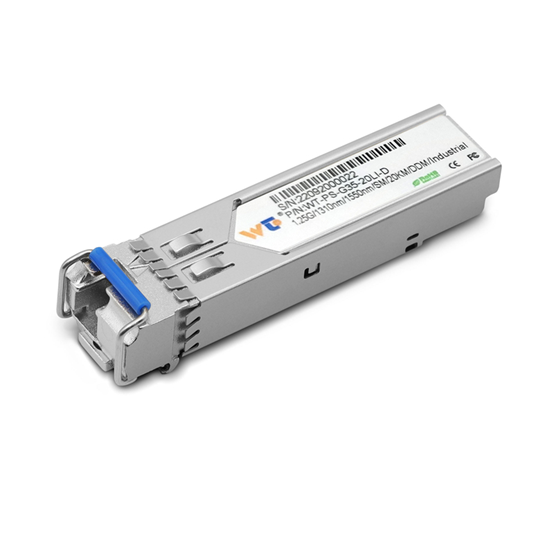
The Role of Optical Transceivers in Smart Cities
In a smart city environment, millions of connected devices continuously generate data, from traffic cameras and environmental sensors to public safety systems and smart lighting. Optical transceivers enable this ecosystem by converting electrical signals into optical signals for high-speed fiber transmission and back again at the receiving end.
We use optical transceivers to support reliable communication across metro networks, data centers, and edge nodes. Their ability to maintain low latency and high bandwidth is essential for real-time applications such as traffic flow optimization, emergency response coordination, and public surveillance systems. Industry research confirms that smart city applications rely heavily on high-capacity fiber networks supported by transceiver modules to ensure uninterrupted data exchange.
Key Requirements in Smart City Deployments
From our implementation perspective, smart city networks place specific demands on optical transceivers:
First, bandwidth scalability is critical. Cities often start with 1G or 10G connections but quickly scale toward 25G, 40G, and 100G modules as data volumes increase.
Second, reliability under harsh environments matters. Outdoor cabinets, roadside units, and industrial zones expose networking equipment to temperature fluctuations and electromagnetic interference. Optical fiber systems supported by transceivers provide greater stability compared to copper-based alternatives.
Third, long-distance connectivity is required. Smart city infrastructure often spans several kilometers between substations, control centers, and distributed sensors, making fiber-optic transmission essential for consistent performance.
Applications Across Smart City Systems
We at Wintop observe that optical transceivers are widely deployed in several smart city segments.
In intelligent transportation systems, they support high-definition video transmission from traffic cameras to control centers. In smart utilities, they connect distributed power grids, water monitoring systems, and environmental sensors. In public safety networks, they enable real-time data exchange between surveillance systems and emergency response platforms.
These applications depend on the ability of fiber-based communication systems to handle large-scale IoT traffic efficiently and with minimal delay.
Design Considerations for Network Efficiency
When designing smart city networks, we focus on matching the right transceiver type to each application layer. Short-range links inside data centers often use SFP or SFP+ modules, while long-haul metro connections rely on higher-power modules such as QSFP28.
Power consumption, heat management, and compatibility with existing network hardware are also key considerations. As smart city infrastructures evolve, modular transceivers allow operators to upgrade capacity without rebuilding entire fiber systems, improving long-term cost efficiency.
Conclusion
Optical transceivers are a foundational component of modern smart city infrastructure. They ensure high-speed, stable, and scalable communication across diverse urban systems, supporting everything from transportation to public safety and utilities.
At Wintop, we focus on delivering reliable optical transceiver solutions designed to meet the evolving demands of smart city networks. With a commitment to performance consistency and deployment flexibility, Wintop supports infrastructure builders in creating connected cities that operate efficiently and at scale.