
Common Misconceptions About Transceiver Manufacturers
Optical transceivers play a critical role in modern networking, supporting data transmission across data centers, enterprise networks, telecommunications systems, and industrial applications. As demand for faster and more reliable connectivity continues to grow, businesses are paying closer attention to the transceiver manufacturers behind these products. However, many assumptions about manufacturers are based on outdated information or incomplete understanding of the industry. Misconceptions regarding product quality, compatibility, pricing, and technical support can make it difficult for buyers to evaluate suppliers effectively. By examining some of the most common misunderstandings, organizations can make more informed decisions when selecting transceiver manufacturers and ensure their networking investments deliver long-term value.
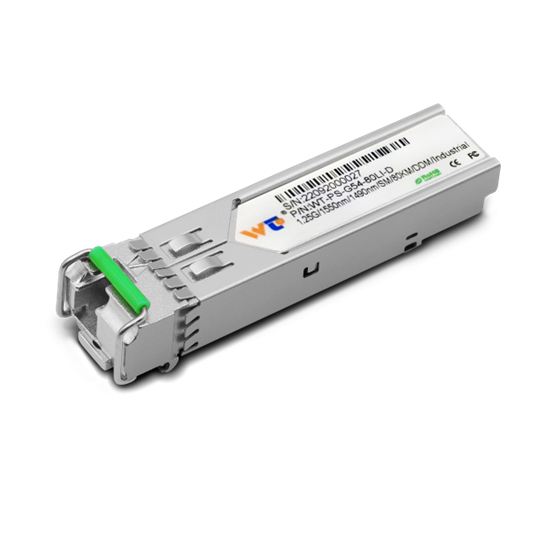
Misconception 1: All Transceiver Manufacturers Offer the Same Products
One common belief is that all transceiver manufacturers provide identical products with little difference beyond pricing. In reality, manufacturers vary significantly in their research capabilities, production standards, quality control processes, and compatibility testing procedures.
Reliable manufacturers invest in product development, performance validation, and long-term reliability testing to ensure their transceivers perform consistently in different networking environments. Some manufacturers also offer a wider range of products, including SFP, SFP+, QSFP, and industrial-grade optical modules designed for specific applications.
Misconception 2: Lower Prices Always Mean Better Value
Many buyers focus primarily on cost when evaluating transceiver manufacturers. While pricing is an important factor, it should not be the only consideration.
A low-cost transceiver that experiences compatibility issues, signal instability, or reduced lifespan may ultimately increase operational expenses. Product quality, technical support, warranty coverage, and manufacturing standards often contribute more to long-term value than the initial purchase price. Organizations should assess the total cost of ownership rather than focusing solely on upfront savings.
Misconception 3: Compatibility Is Not a Major Concern
Some network administrators assume that any transceiver can work seamlessly with any switch or networking device. In practice, compatibility remains one of the most important considerations when selecting optical modules.
Professional transceiver manufacturers conduct extensive compatibility testing across multiple platforms and network environments. Proper coding and validation help ensure stable operation and minimize deployment issues. Industry discussions frequently highlight compatibility verification as a key factor when selecting third-party optical modules.
Misconception 4: Manufacturing Scale Is the Only Indicator of Quality
Large-scale production facilities can certainly support high-volume demand, but production capacity alone does not guarantee superior products. Quality depends on factors such as engineering expertise, component selection, testing procedures, and continuous innovation.
A manufacturer with strong research and development capabilities can often deliver more reliable and advanced solutions than competitors that focus primarily on volume. Companies that maintain investment in product development and technical expertise are typically better positioned to address evolving network requirements.
Misconception 5: Transceiver Manufacturers Only Supply Hardware
Modern transceiver manufacturers often provide more than hardware products. Technical consultation, compatibility verification, performance testing, documentation support, and after-sales services have become important parts of the customer experience.
Businesses increasingly look for manufacturers that can support deployment, troubleshooting, and long-term network optimization rather than simply supplying components. Comprehensive support services can significantly improve project efficiency and reduce operational risks.
Conclusion
Choosing among transceiver manufacturers requires more than comparing prices or product specifications. Factors such as compatibility, quality assurance, technical expertise, and customer support all play important roles in achieving reliable network performance. By understanding these common misconceptions, organizations can make more informed purchasing decisions and build stronger network infrastructures.
Wintop is a professional optical communication manufacturer specializing in optical modules, fiber optic transceivers, industrial switches, and networking solutions. With years of industry experience, comprehensive testing capabilities, and global service coverage, we help customers deploy reliable connectivity solutions for a wide range of applications. Visit Wintop to learn more about our products and services.